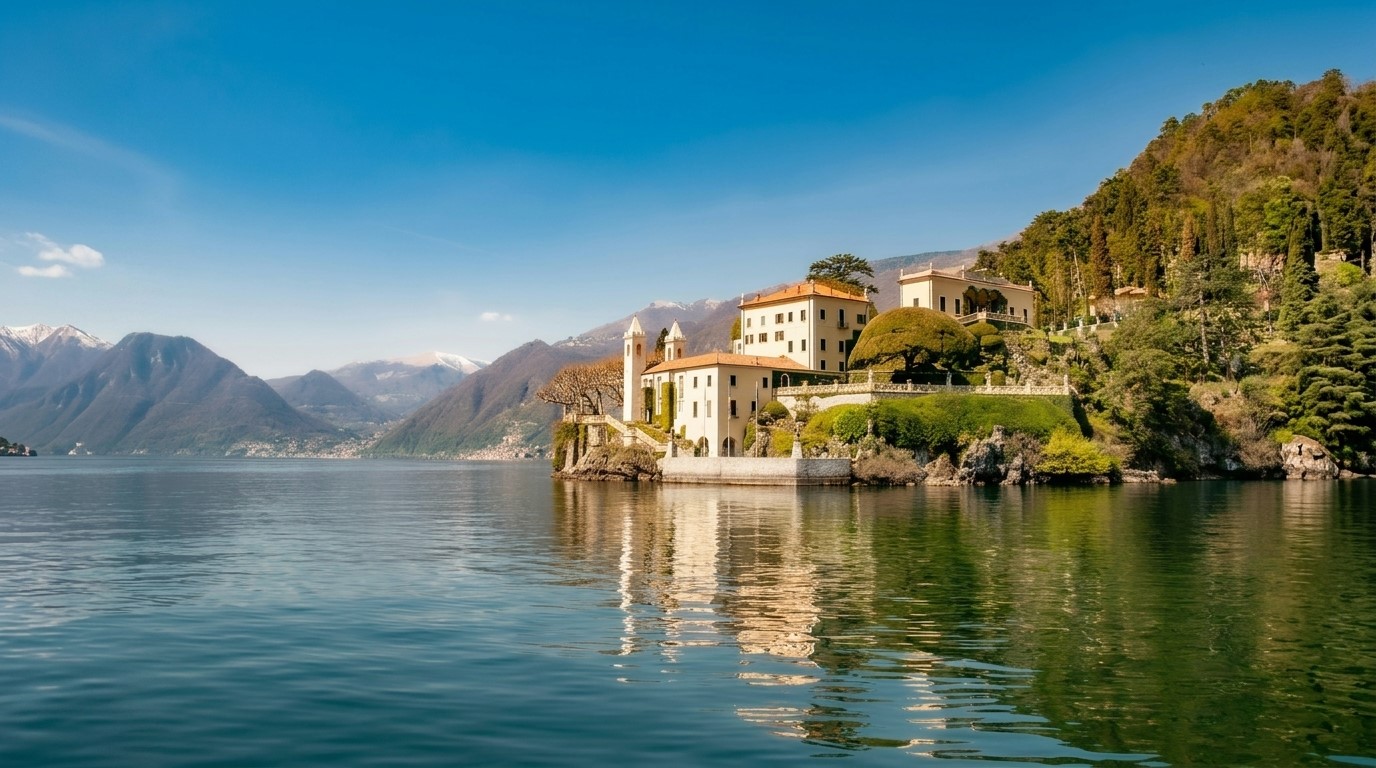
There’s a wedding I keep playing in my head: a keyboard carried onto a wooden boat, the villa on Lake Como growing larger across the water.
Another one I dream about happens on a Santorini cliff, where I’d be duct-taping a windscreen onto a microphone while the meltemi wind does its best to throw the whole thing into the caldera.
I imagine following a tequila-bearing donkey as it leads a wedding parade through Mexican cobblestones, and I picture a Balinese gamelan orchestra handing off, mid-song, to a DJ set that keeps a jungle dance floor moving until 3 a.m.
These are the nights I haven’t played yet — the ones on my own bucket list, the ones fellow musicians come home raving about. And every story I’ve collected points to the same truth: your wedding can happen almost anywhere on Earth, and the right live music is what turns a beautiful place into a memory people retell for the rest of their lives.
A destination wedding is part celebration, part adventure, part love letter to a place. You’re not just picking a backdrop. You’re choosing a culture, a cuisine, a quality of light, a soundtrack. And for a lot of couples, the destination they marry in becomes the honeymoon they never want to leave — which means the music you choose isn’t only for one night. It’s the song you’ll hum on the plane home, and again at your tenth anniversary.
What follows is my guide to the 30 best destination wedding locations in the world for the 2025–2026 season — the places I dream of playing — grouped by region the way I sort them in my head when I imagine packing the flight cases: Europe; the Americas and Caribbean; and Asia, Africa, and the Middle East. For each one I’ll give you the real vibe, the venues worth knowing, and — where it fits — a song that captures the spirit of the place. Because at DLE Event Group, the band can actually learn it.
Let’s go around the world.
Europe is where the destination wedding was practically invented, and you can feel the centuries in the stonework. These are the rooms players describe to me with reverb you can almost hear before the first note plays.
If a single image launched a thousand destination weddings, it’s a couple on a stone terrace above Lake Como, the Alps reflected in the water behind them.
This is the pinnacle of Italian glamour — historic lakeside villas, formal gardens that have been pruned for two hundred years, and a dramatic alpine backdrop that makes every photo look like a Renaissance painting. The water is the whole point here. Guests arrive by boat, ceremonies happen on terraces that drop straight into the lake, and the light at golden hour turns the whole basin amber. Italian weddings themselves are marathons of food and family — a Serenata the night before, where the groom serenades the bride under her balcony, and a reception that can run to fourteen courses with Prosecco for the toasts.
Top venues: Villa del Balbianello, Villa Balbiano, Grand Hotel Villa Serbelloni.
A musician’s note: Those marble halls and stone terraces are known for gorgeous, long reverb that flatters live strings and brass — but everything I know about rooms like these says sub-bass turns to mush fast. What I’d plan for is a distributed sound system rather than one big stack, and from what players who’ve worked Balbianello tell me, getting equipment in means a boat and a tight loading schedule. Plan the logistics early.
Your soundtrack: Nothing says this lake quite like Dean Martin’s “That’s Amore” or a strolling “Volare” during dinner — pure Dolce Vita.
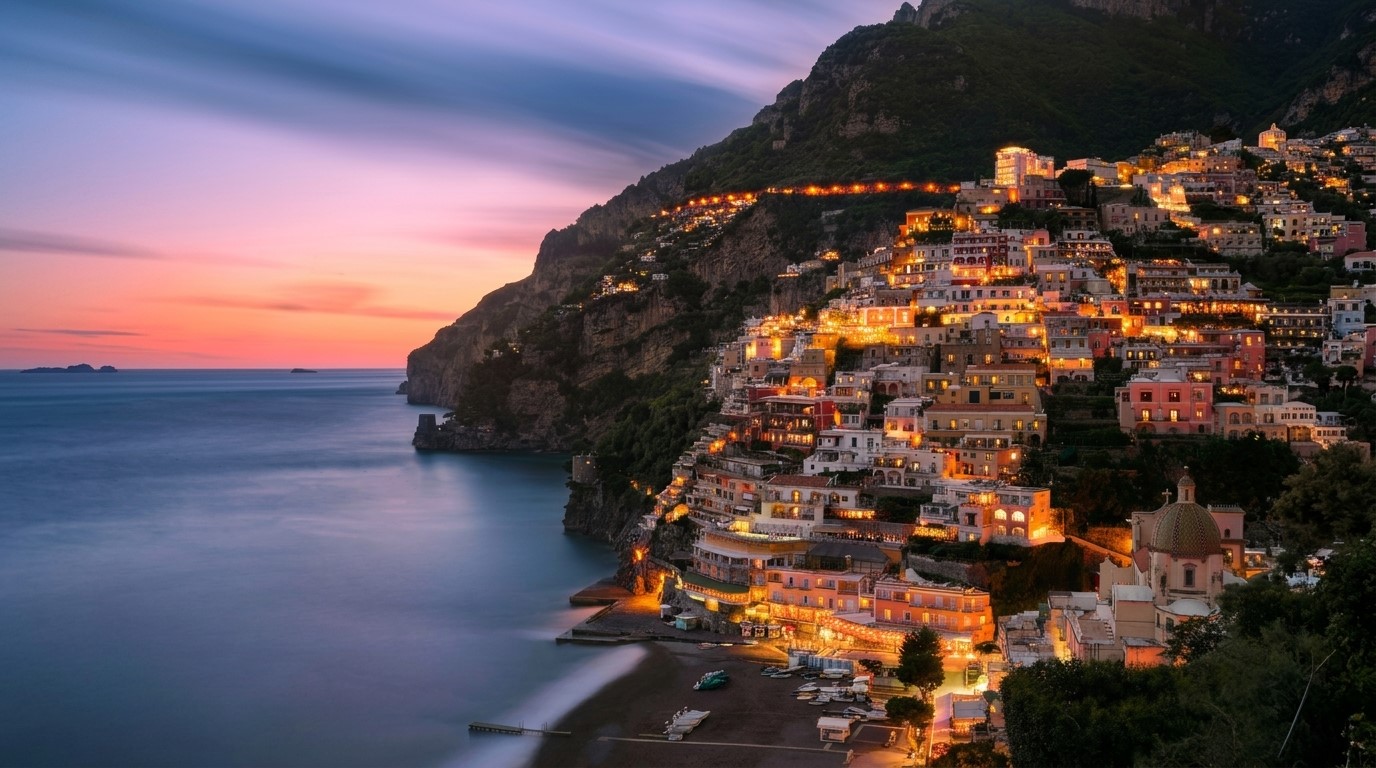
Picture a wedding stacked vertically up a cliff, lemon groves overhead and the Tyrrhenian Sea a few hundred feet straight down.
The Amalfi Coast is all verticality — cliffside terraces, pastel villages clinging to the rock, and the kind of sea views that make guests forget to sit down for dinner. Ravello sits high above the water with a cool breeze and the most famous garden terraces in Italy; Positano tumbles down to the beach in a cascade of color. The whole coast smells faintly of lemons and salt. This is a place for couples who want their wedding to feel like it’s floating.
A musician’s note: Cliffside terraces mean wind off the water and almost no room for a big stage. What I’d bring is a compact hybrid setup — a few musicians plus a DJ — which makes far more sense here than a full band crammed onto a ledge. And because the acoustics open straight out to sea, you lose low end fast; the live elements are what carry the emotion where the sound system can’t.
Your soundtrack: Andrea Bocelli’s “Con te partirò” at sunset over Positano is a moment guests will never forget.
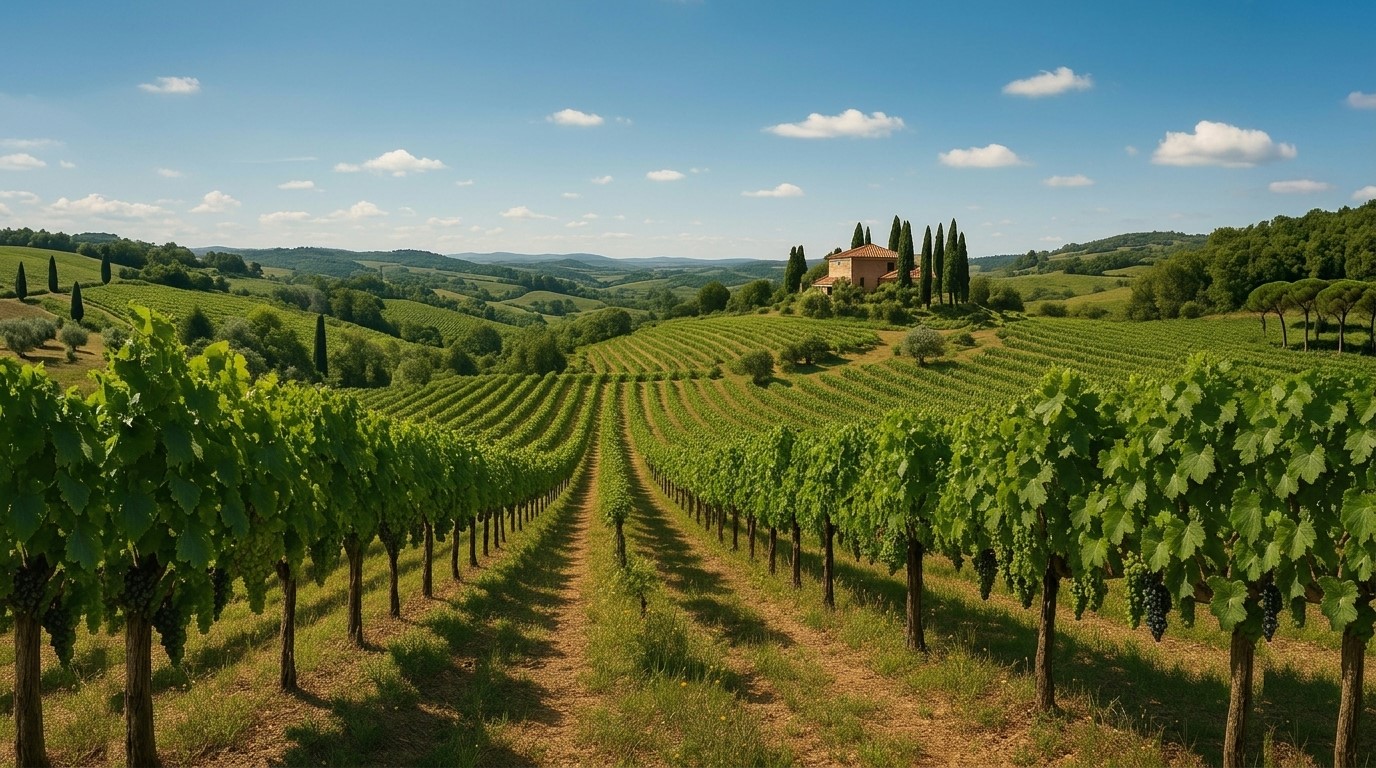
Cypress-lined driveways, golden hills, and a wedding that feels like it grew out of the land itself — this is rustic-luxe Italy at its most quintessential.
Tuscany trades the drama of the coast for something slower and warmer: rolling vineyards, ancient olive groves, and stone estates that have been hosting feasts since the Medici. The light here is the famous part — that honeyed, late-afternoon glow that photographers chase across the world. Weddings lean into the harvest spirit, and if you marry in September you might catch the grape harvest itself. Expect Chianti and Brunello on the table and a multi-course dinner that becomes the main event.
Top venues: Villa Cetinale, Borgo Pignano, Castello di Vincigliata.
A musician’s note: An outdoor reception in a vineyard is an acoustic dream — open air, no harsh reflections, sound that just breathes. Power is the catch. Rural estates often run on limited or generator power, so what I’d plan for is a power conditioner and a careful map of the electrical load before the trucks roll in.
Your soundtrack: A jazzy “Tu vuò fà l’americano” during cocktail hour gets the whole vineyard tapping.
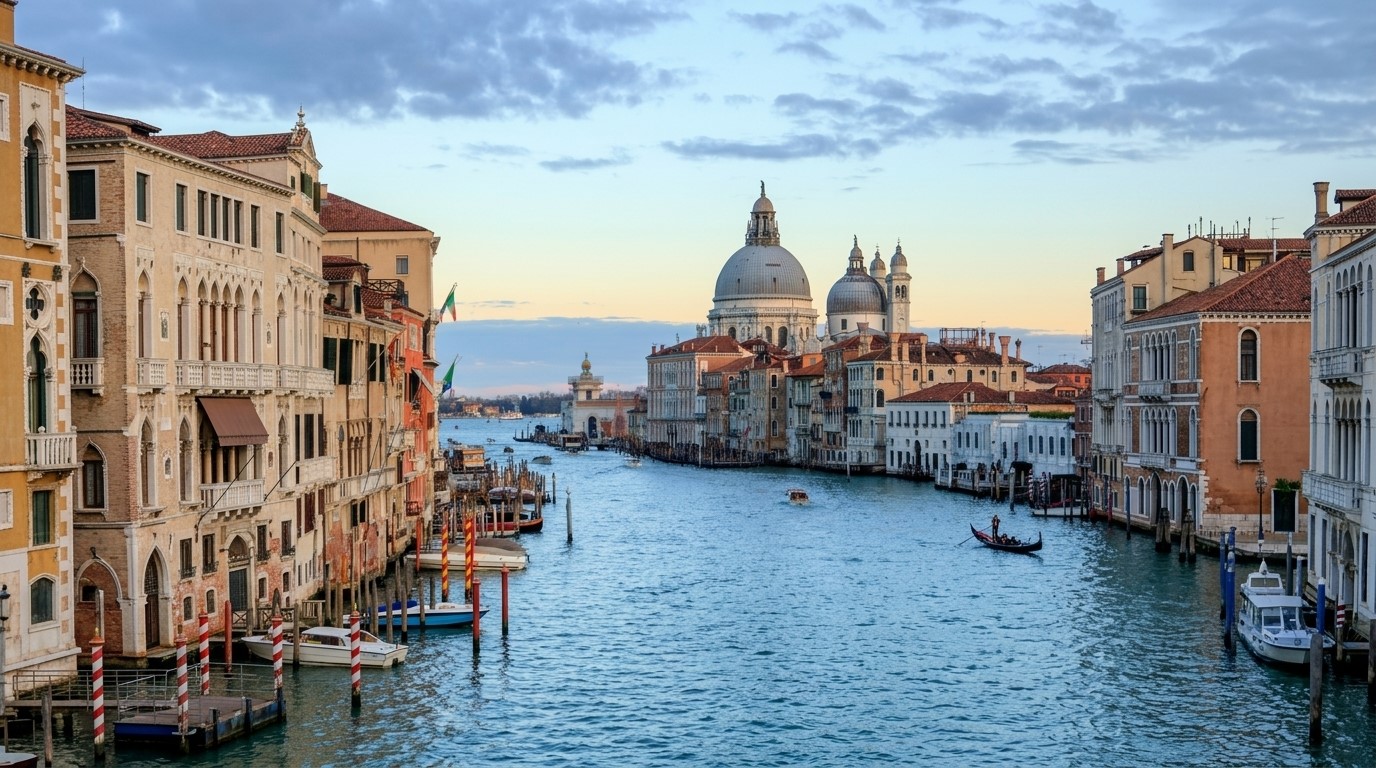
Nowhere else on Earth can you arrive at your own wedding by gondola, stepping out of the water onto the marble steps of a private palazzo.
Venice is unmatched historical romance — Grand Canal palazzos with frescoed ceilings, hidden gardens behind ancient walls, and the gentle slap of water against stone as your soundtrack between songs. The whole city is a stage set built over a thousand years, and a Venetian wedding leans into the theater of it: candlelight, masks if you want them, Bellinis at cocktail hour. It’s intimate by nature, since palazzos seat smaller crowds, which makes it perfect for couples who want jewel-box elegance over scale.
Top venues: Aman Venice, Belmond Hotel Cipriani, Palazzo Papadopoli.
A musician’s note: Frescoed palazzo rooms are echo chambers — beautiful for a string trio, brutal for an over-amplified DJ. What I’d do is keep volume disciplined and lean on acoustic textures through dinner, saving the bigger sound for a more controlled space. And since every piece of gear arrives by boat in this city, the smart move is to pack lean and label everything.
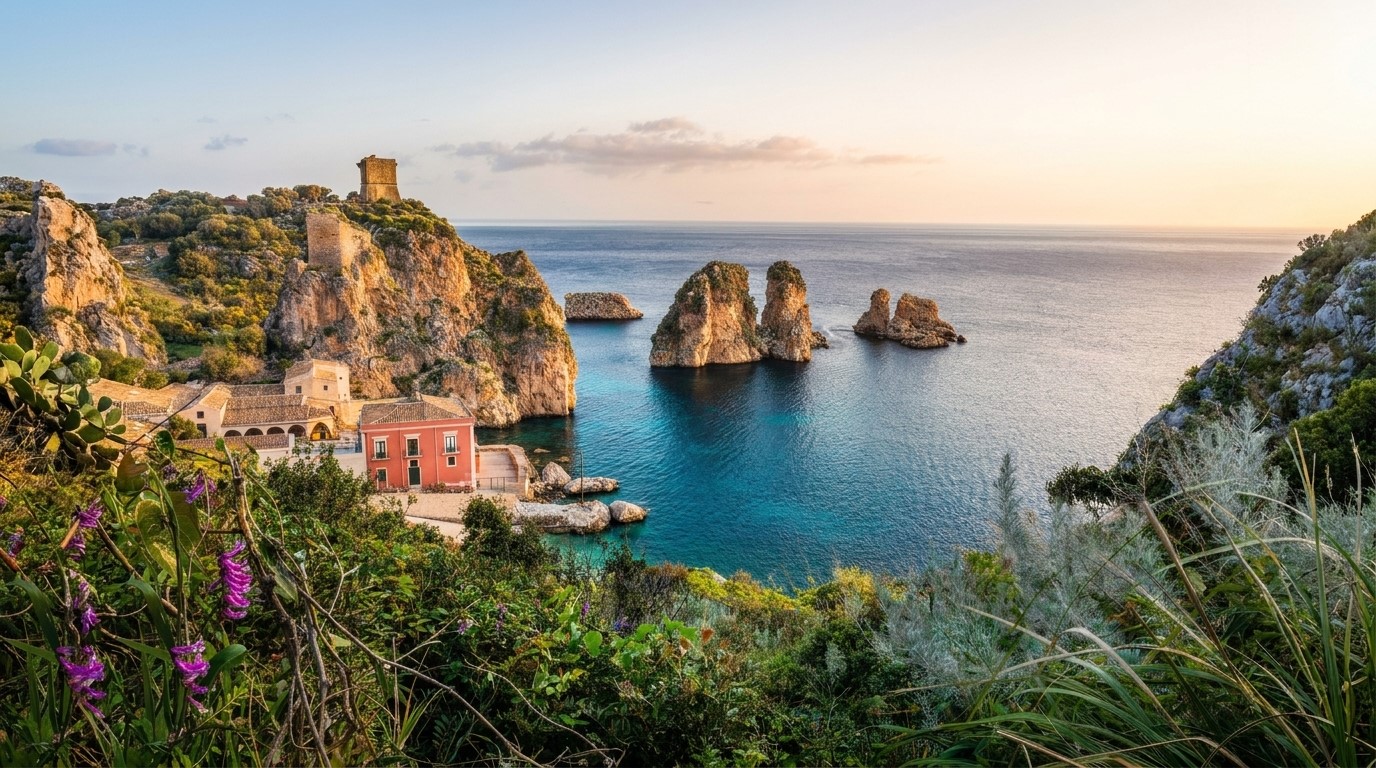
Sicily’s rugged, cinematic energy hit the mainstream when The White Lotus set a season in Taormina — and the bookings haven’t slowed since.
This is the wilder, more dramatic Italy: Baroque towns, ancient Greek theaters, the smoking cone of Etna on the horizon, and a coastline that feels untamed. Taormina perches on a cliff above the Ionian Sea; the old tonnara (tuna fishery) at Scopello sits on a tiny cove that looks staged by a film crew. Sicilian hospitality is intense and generous — the food keeps coming and the celebration runs late.
Top venues: Tonnara di Scopello, Belmond Grand Hotel Timeo (Taormina).
A musician’s note: Coastal venues here mean heat and salt air, both hard on instruments and electronics. What I’d plan for is constant tuning checks and keeping gear shaded and covered until showtime. The upside is hard to overstate, and every player who’s worked the island says the same: an outdoor Sicilian dance floor with the sea behind it has an energy that’s almost impossible to kill once the party starts.
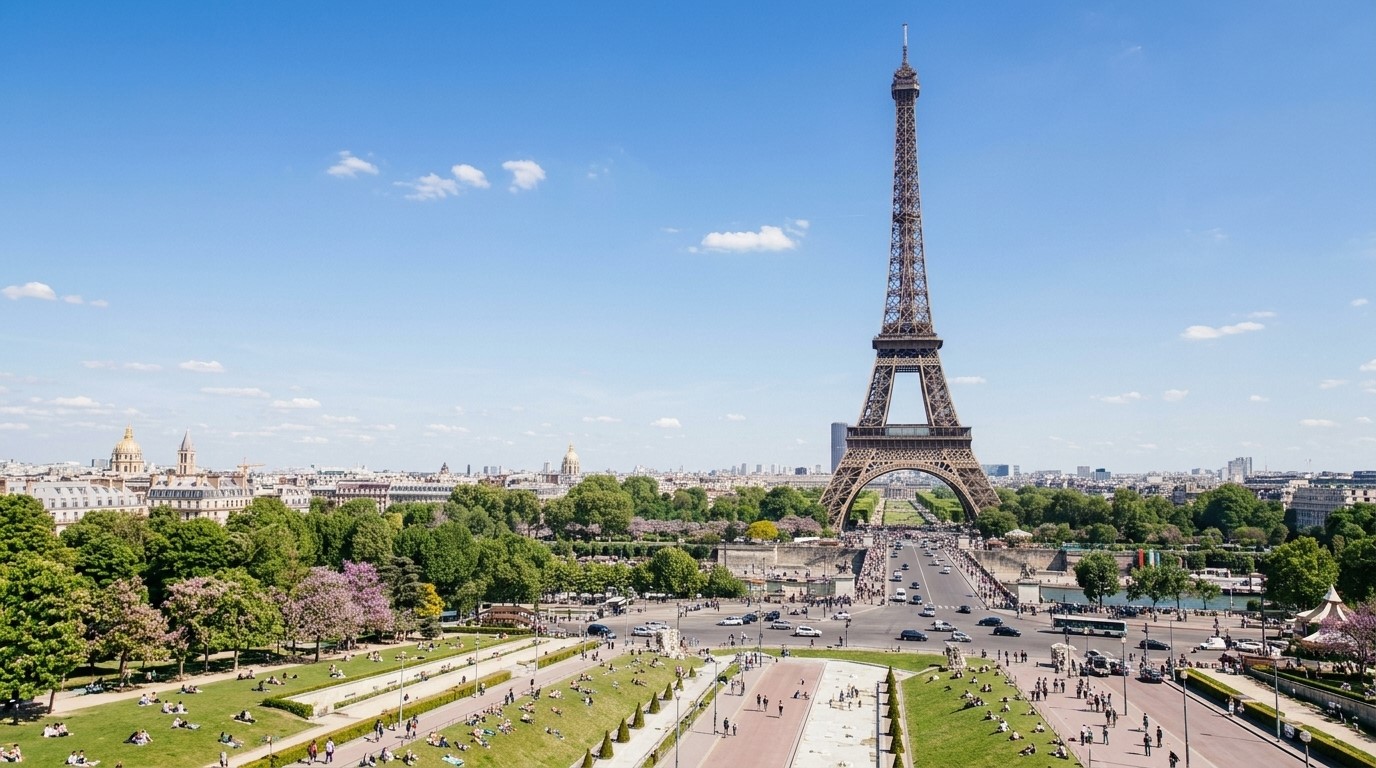
Stand on a private rooftop with the Eiffel Tower lit up behind you and say your vows — that’s the Paris pitch, and it lands every time.
Paris is sophisticated urban luxury: grand hotel ballrooms with gilded mirrors, chic hidden courtyards, and museum gardens that feel like private estates. A Paris wedding is unapologetically elegant — Champagne towers, a croquembouche tower of caramel-bound cream puffs instead of a sheet cake, and that effortless “French girl” chic in the styling. The city does refinement better than anywhere, and it knows it.
Top venues: Ritz Paris, Shangri-La Paris, Musée Rodin.
A musician’s note: Historic ballrooms like the Ritz are known for house rules and house acoustics, both of which I’d want to learn before load-in. These rooms reward a polished, well-balanced sound over sheer volume. A hybrid band sliding from a live jazz set into a curated DJ run is exactly what I’d build for a crowd that wants sophistication and a packed dance floor at the same time.
Your soundtrack: Édith Piaf’s “La Vie en Rose,” sung live during dinner, is Paris distilled into three minutes.
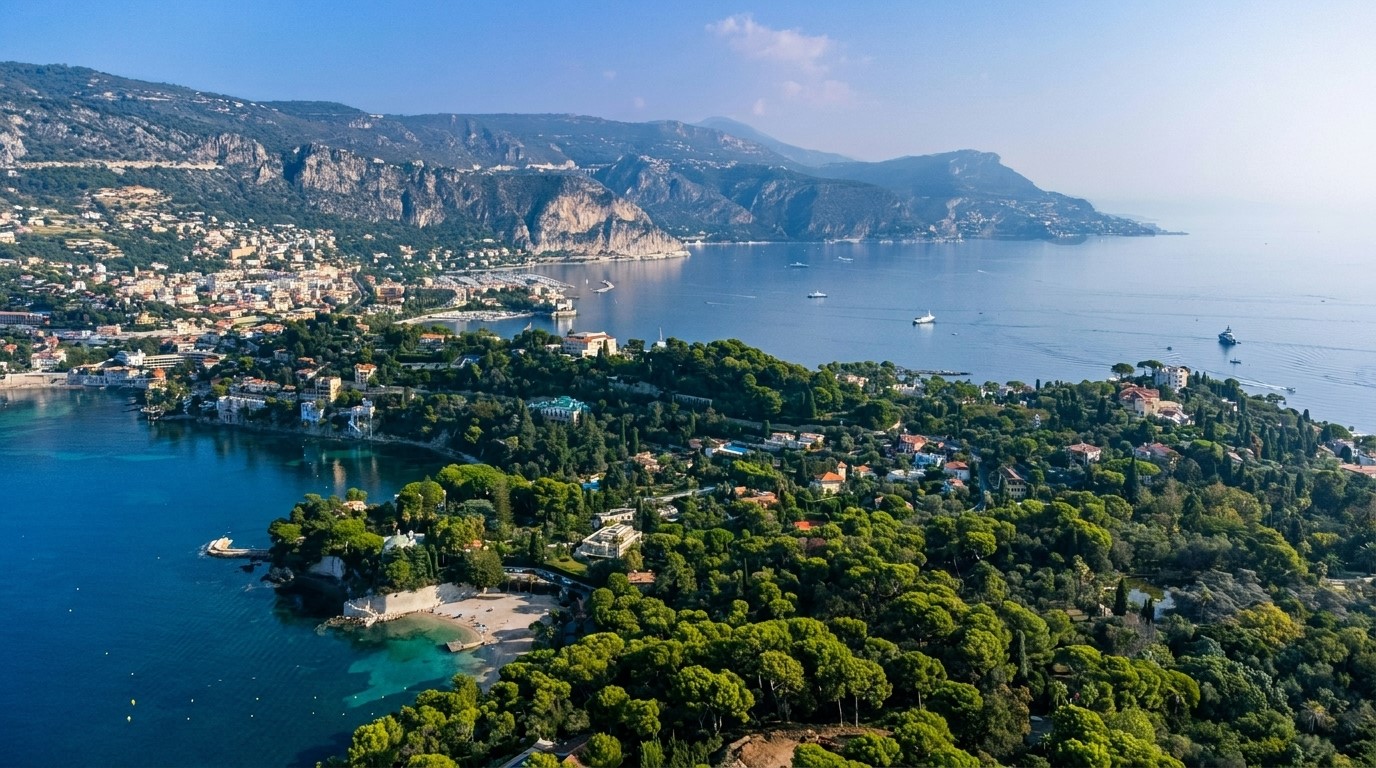
Belle Époque glamour that never quite went out of style — that’s the Riviera, all exclusive beach clubs, pastel villas, and yachts bobbing in the bay.
This stretch of coast between Nice and Monaco has been the playground of the glamorous for over a century, and weddings here trade on that legacy: rose-colored villas with manicured gardens, terraces over the Mediterranean, and a golden September light that photographers swear by. It’s flashier than Provence and prouder of it. Villa Ephrussi de Rothschild, with its pink façade and nine themed gardens, is about as romantic a setting as France offers.
A musician’s note: Garden and terrace ceremonies catch the sea breeze, so what I’d do is weight the mic stands and run windscreens as a matter of course. The open coastal air swallows bass, but it makes live instruments sound wonderfully natural — and I dream about how a saxophone over cocktail hour on a Riviera terrace would carry.
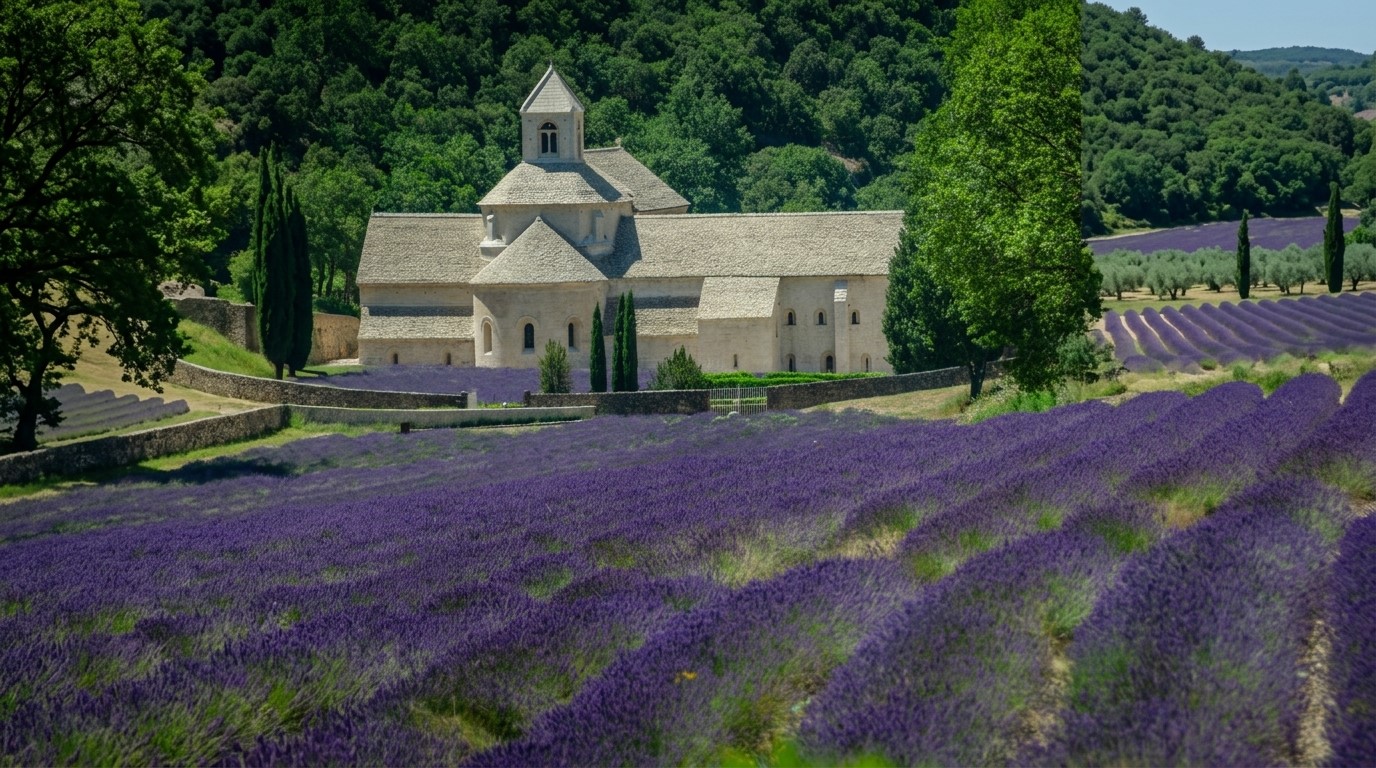
Provence was “quiet luxury” long before anyone coined the phrase — lavender fields, silver-green olive groves, and honey-stone châteaux straight out of a fairytale.
If the Riviera is about being seen, Provence is about disappearing into something beautiful. Rows of purple lavender stretching to the horizon, the hum of cicadas, long tables under plane trees, rosé that never stops flowing. It peaks in June when the lavender blooms, and the whole region smells like a candle shop in the best possible way. This is for couples who want romance without the spectacle.
Top venues: Château de Tourreau, Domaine des Etangs, Bastide de Gordes.
A musician’s note: Long farmhouse tables under open sky are gorgeous and acoustically forgiving, but rural châteaux are known for tricky power and long cable runs from the dinner area to the dance floor. What I’d do is scout the layout in advance so the energy doesn’t die during the walk from dessert to the first dance.
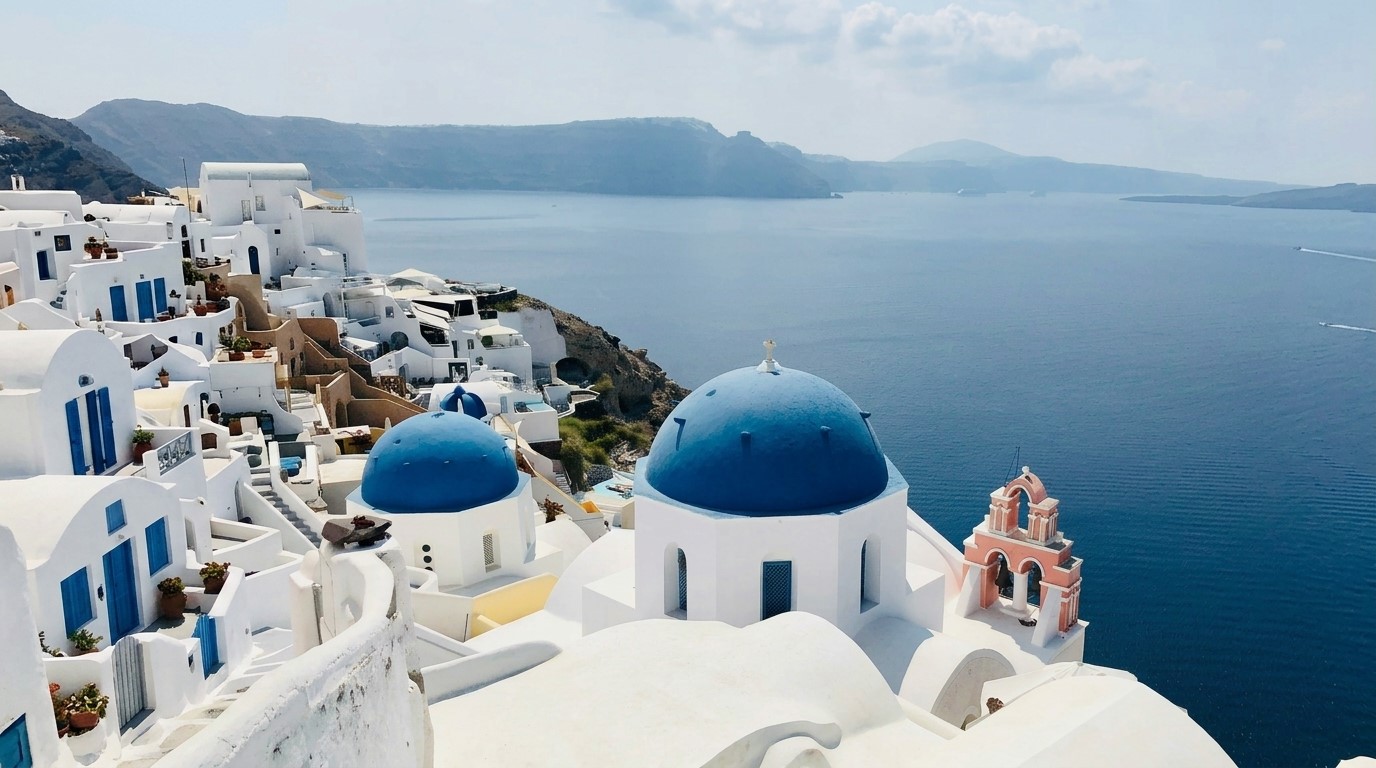
No sunset on Earth is more photographed than the one over the Santorini caldera, and couples plan entire weddings around its exact minute for good reason.
Santorini is the postcard: whitewashed villages spilling down volcanic cliffs, blue-domed churches, and that legendary caldera view where the sun drops into the sea and the whole island turns gold, then pink, then violet. Greek weddings are deeply communal affairs — the Stefana crowning ceremony where linked crowns mark the couple as king and queen, the money dance where guests pin cash to the couple’s clothes, and a hospitality so generous it has its own word, philoxenia.
Top venues: Canaves Oia Suites, Grace Hotel, Rocabella Santorini.
A musician’s note: I’ll be blunt — everything I’ve heard says the wind is the enemy here. Cliffside ceremonies face serious gusts off the caldera, so weighted stands and quality windscreens would be non-negotiable for me. Island power can also be unstable, which is why I’d plan for a conditioner and a backup. Nail those two things and you’ve got the most spectacular ceremony backdrop in the world.
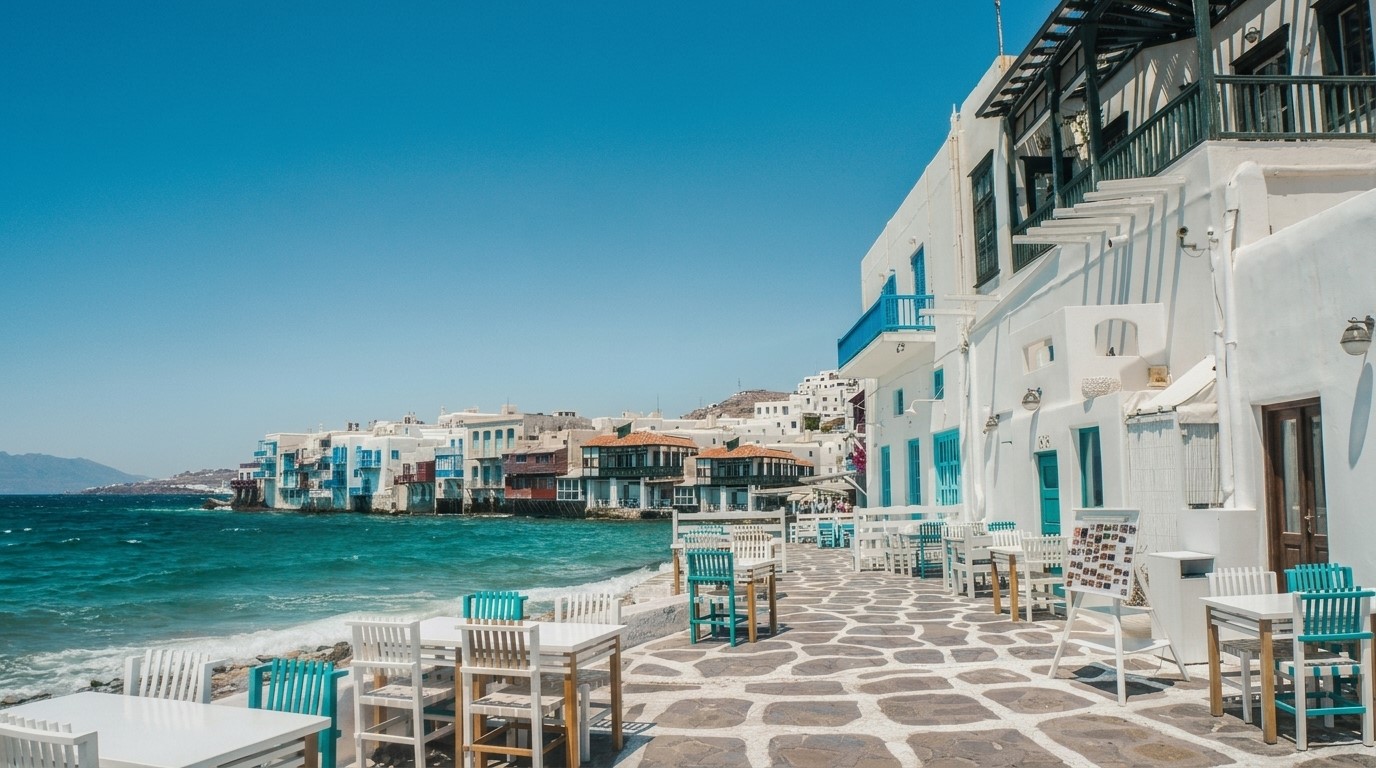
Then there’s the other side of Greece. Mykonos is bohemian-chic by day and a full-throttle party island by night, with a dance floor energy that doesn’t quit.
Where Santorini sells the quiet drama of a sunset, Mykonos sells beach clubs, whitewashed alleys, windmills on the hill, and a crowd that came to dance. Weddings here skew younger and louder, often spilling from a beachfront reception into a late-night celebration. The Grecian goddess dress code — flowing white, gold accessories — suits the island perfectly, and the same warm hospitality and communal traditions still apply.
Top venues: Santa Marina (A Luxury Collection Resort), Mykonos Blu.
A musician’s note: This is a DJ-forward crowd, so a DJ-led hybrid is what I’d reach for — a DJ driving the night with a vocalist and a sax player layering live energy on top. Beachfront setups are known for sand, salt, and the same wind issues as the rest of the Aegean, so I’d pack covers, backups, and a little patience.
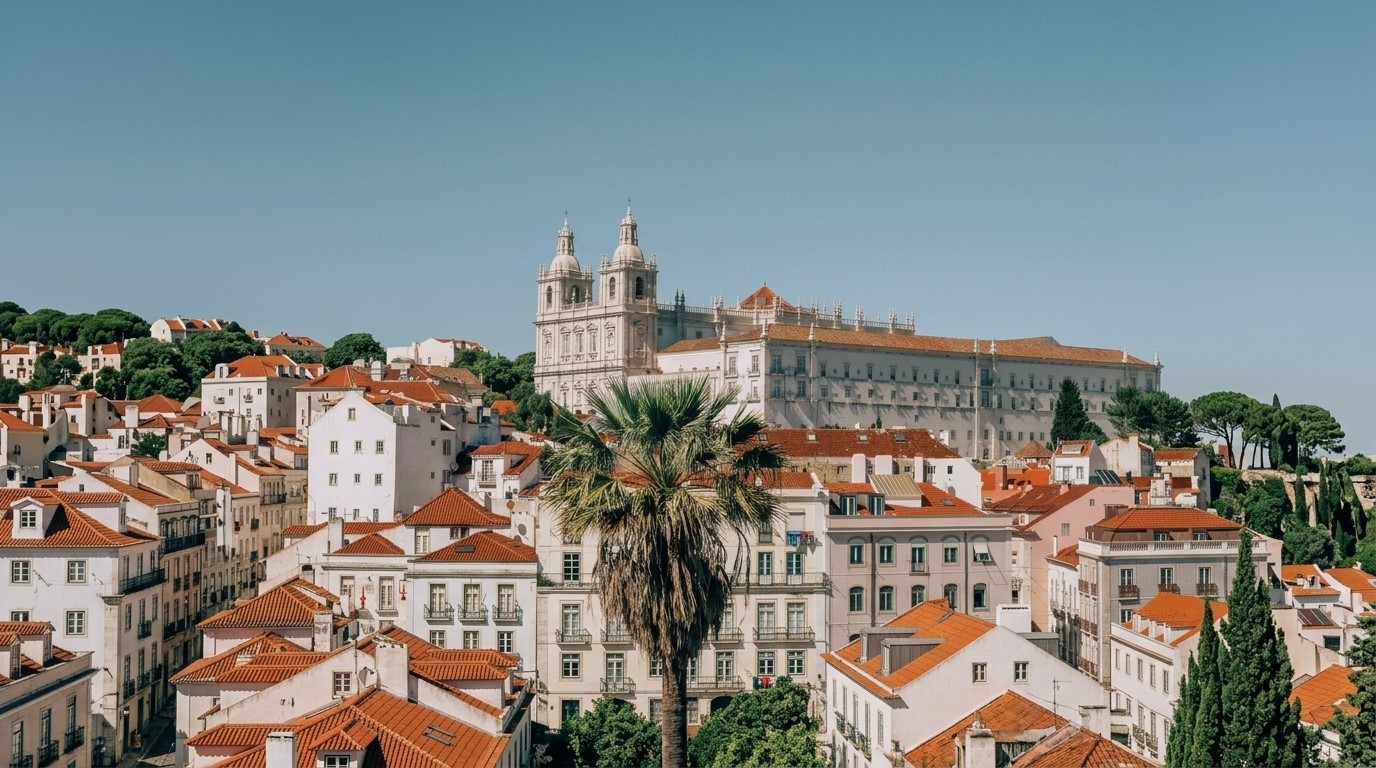
Portugal has quietly become the rising star of European weddings, and Sintra is the reason — mist-covered forests and candy-colored Romanticist palaces that look invented for a storybook.
Just outside Lisbon, Sintra feels like a fairytale that got lost in the hills: 19th-century palaces in pink and yellow, dense green forest often wrapped in morning mist, and azulejo tilework everywhere you look. Lisbon itself adds golden light, vintage trams, and the melancholy beauty of fado music drifting out of tavern doors. Portuguese weddings believe in abundance — often two main courses, the mandatory bacalhau (salt cod), and the gold filigree Coração de Viana heart as the signature accessory.
Top venues: Penha Longa Resort, Tivoli Palácio de Seteais.
A musician’s note: Palace interiors are stone and echo, so I’d treat them like the Italian villas — acoustic textures for the rooms, controlled volume, distributed sound. A live fado-inspired guitar piece during dinner is exactly the kind of moment I dream about: an authentic taste of place before the dance set kicks in.
Swap Sintra’s mist for sunshine and you have the Algarve — dramatic golden limestone cliffs, hidden sea caves, and some of the most reliable summer weather in Europe.
This is Portugal’s southern coast, where ochre cliffs drop into the Atlantic and the sun shows up almost every day from late spring through October. Beach clubs, clifftop resorts, and sea-cave grottoes give you backdrops that range from chic-modern to genuinely wild. It’s more relaxed and more affordable than the marquee French and Italian coasts, which is a big part of its appeal.
Top venues: W Algarve, Vila Vita Parc, Pine Cliffs Resort.
A musician’s note: Clifftop and beach receptions mean Atlantic wind and open-air bass loss — the same coastal playbook every player runs on the water, with live instruments carrying the warmth a sound system can’t. The reliable weather, though, is a gift: it’s the kind of place where I’d plan an outdoor dance floor with real confidence.
There’s a lot more to Ibiza than its superclubs. The island has a sophisticated boho soul — hidden coves, agroturismo farmhouses, and Mediterranean sunsets the locals treat as a daily event.
Yes, Ibiza is the world capital of dance music, but the wedding side of the island is dreamier than its reputation: whitewashed fincas among the pines, secret rocky coves, and sunset views (especially on the west coast) that draw crowds who applaud when the sun hits the water. You can lean into the island’s electronic heritage for a high-energy night, or keep it bohemian and barefoot. Spanish weddings bring late dinners, jamón ibérico, cava, and a party that genuinely runs until sunrise.
Top venues: Six Senses Ibiza, Nobu Hotel Ibiza Bay, Agroturismo Atzaró.
A musician’s note: Of all 30 places on this list, Ibiza is the one I think the hybrid model was made for. A live band that hands off seamlessly to a world-class DJ set is the entire spirit of the island in one package — live emotion for the dinner and first dance, then a club-grade dance floor that respects where you are. Conceptually, this is our home turf.
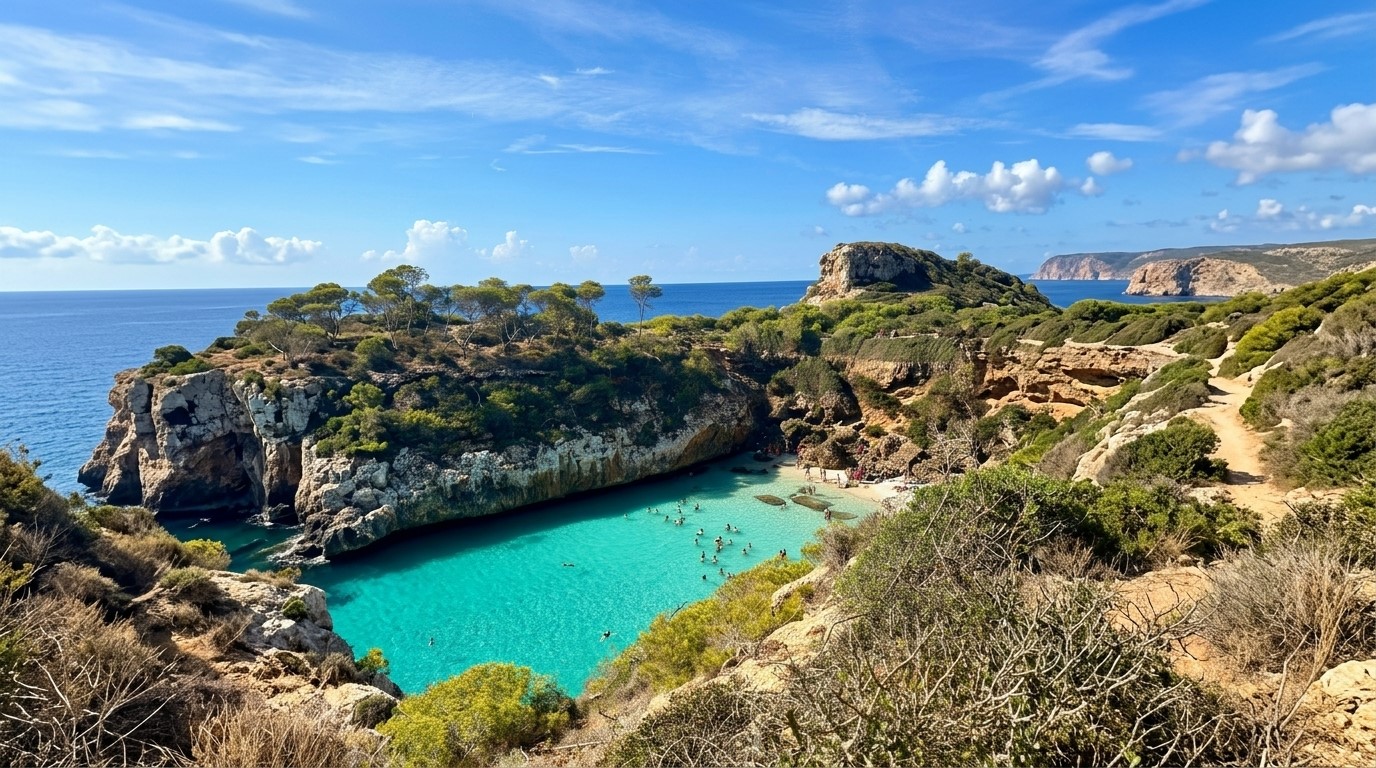
Of all Spain’s islands, Mallorca is the most elegant — artistic heritage in the hill villages, the dramatic Tramuntana mountains, and secluded stone estates a world away from the tourist coast.
The northwest, around Deià and Sóller, is all terraced olive groves, sleepy stone villages where artists and writers have hidden out for a century, and mountains that plunge toward the sea. La Residencia in Deià is a converted manor that captures it perfectly. Mallorca offers Mediterranean beauty with more privacy and less flash than Ibiza, paired with the same generous Spanish table and late-night celebration.
Top venues: Six La Residencia (A Belmond Hotel), Castell Son Claret.
A musician’s note: Mountain estates with stone courtyards are known for a warm, contained acoustic — easier to work with than open coast, harder than an open field. These are the rooms I dream about for a live set, because the stone adds a natural richness without the harsh echo of a fully enclosed hall.
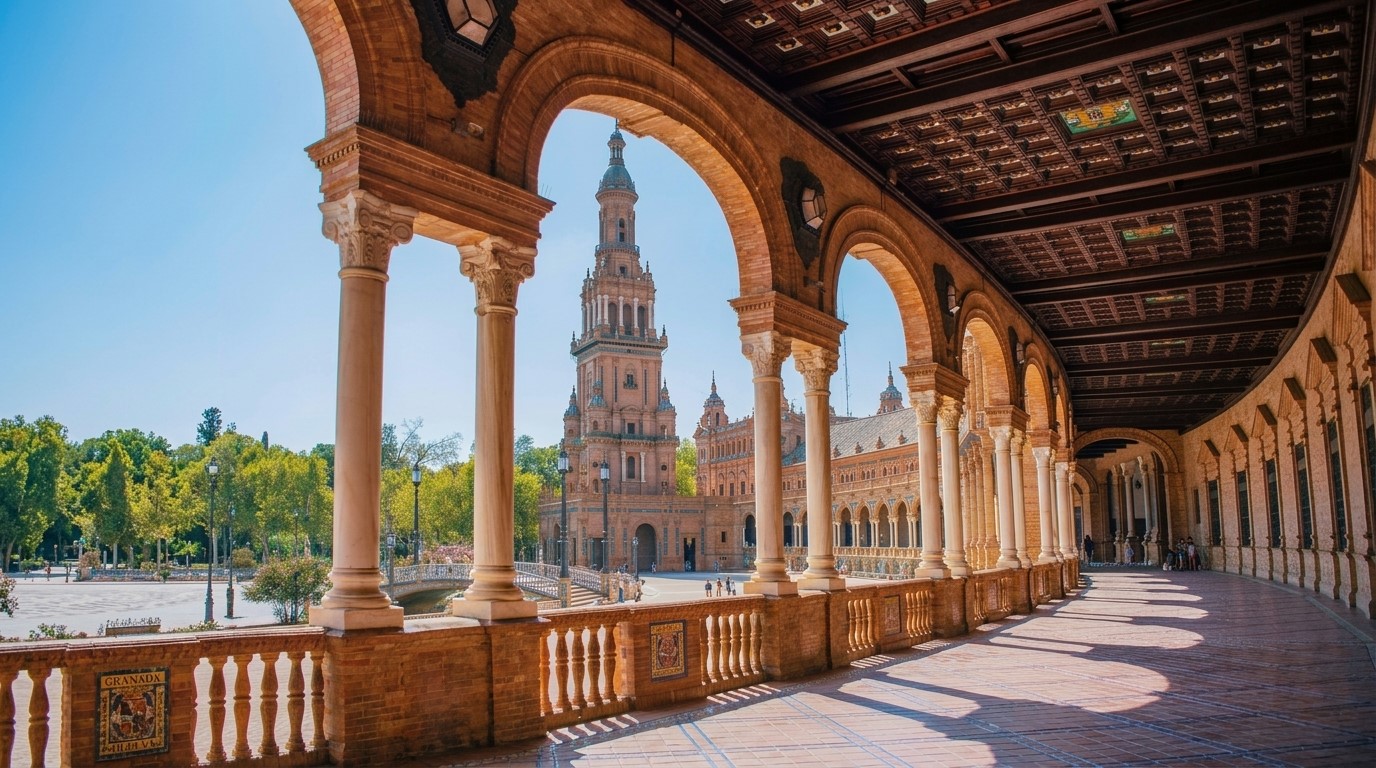
Seville is passion turned into architecture — Moorish palaces, orange-scented courtyards, and the deep, foot-stomping pulse of flamenco woven into the city’s bones.
Andalusia’s capital is hot, romantic, and gloriously theatrical. Tiled courtyards, the Alcázar’s Mudéjar arches, hidden patios dripping with bougainvillea, and orange trees perfuming the whole city in spring. Weddings here can incorporate the Mantilla lace veil and high comb, flamenco performers, and the Feria spirit. Spring (around the April Feria) and early autumn are the sweet spots, before the summer heat turns serious.
Top venues: Six Hotel Alfonso XIII, Casa de Pilatos, Hacienda de San Rafael.
A musician’s note: Flamenco is built on hand-claps, guitar, and a stamping rhythm, and bringing a live flamenco element into cocktail hour before transitioning into the reception is one of the cultural handoffs I most dream of getting to play. Courtyard acoustics are tiled and live, so what I’d do is keep amplification tasteful and let the natural reverb do some of the work.
A walled medieval city dropped onto the edge of the impossibly blue Adriatic — Game of Thrones fans will recognize Dubrovnik instantly, and so will anyone who loves a fortress wedding.
Inside those famous stone walls, polished limestone streets gleam; just outside them, the Adriatic glows in shades of turquoise you have to see to believe. You can marry in a Renaissance fortress, on a clifftop terrace, or at a seaside villa, all within sight of the old town. Croatia delivers Mediterranean grandeur at a slightly gentler price point than Italy or France, with summer sun you can count on.
Top venues: Villa Sheherezade, Hotel Excelsior, Revelin Fortress.
A musician’s note: A stone fortress like Revelin is known to be a glorious, reverberant beast — incredible for live brass and strings, dangerous for boomy low-end. Distributed speakers and disciplined sub levels are what keep a room like that from washing out. The seaside terraces, by contrast, are open and wind-prone, so I’d plan two different sound approaches for one event and switch between them as the night moves indoors.
This side of the world trades old-world reverb for open sky, warm water, and a looseness in the celebration that I’d love to be part of. From everything I’ve heard, the parties here start with the sunset and don’t ask permission.
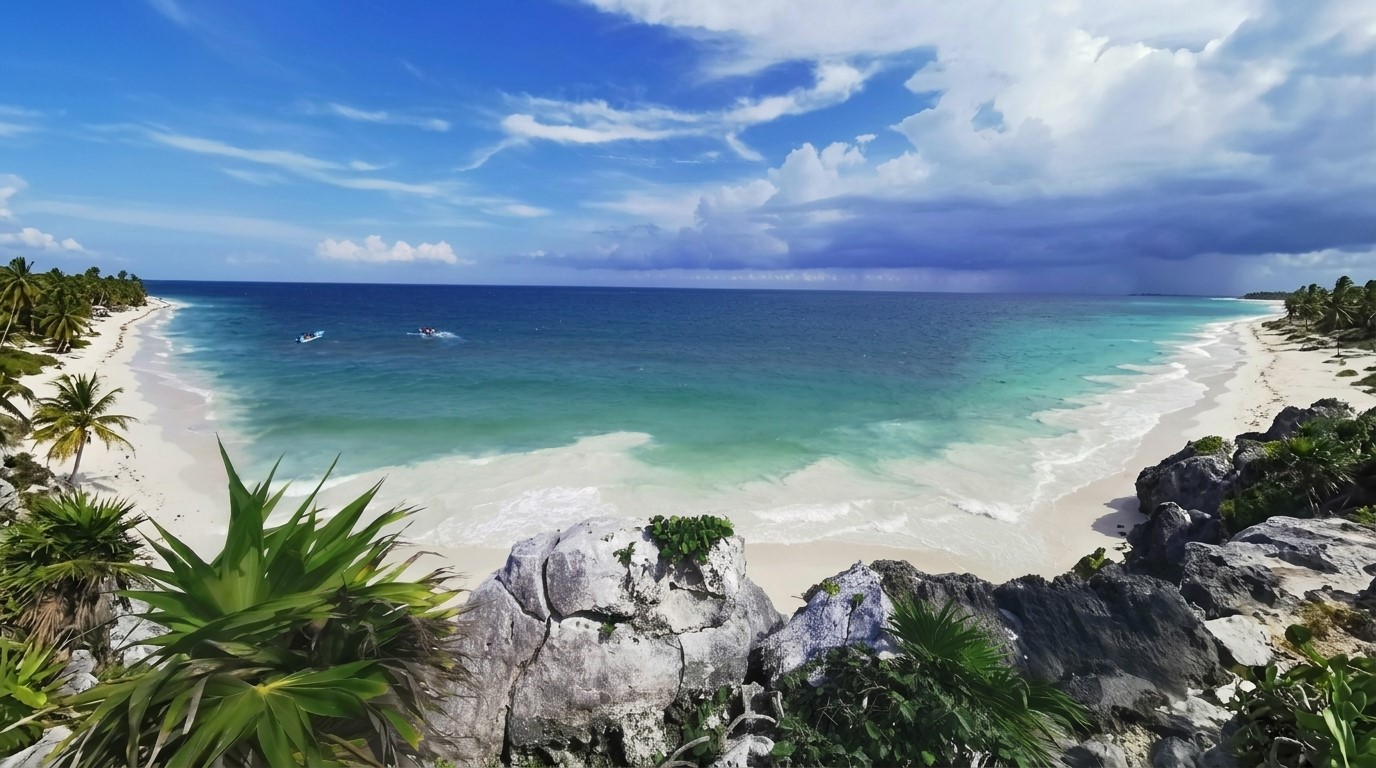
Imagine swapping vows in a jungle clearing beside a cenote — a sacred underground freshwater pool the ancient Maya believed was a portal to the underworld — then dancing under the stars at an all-inclusive resort that handles every detail.
Mexico’s Caribbean coast is jungle-meets-ocean luxury: powder beaches, turquoise water, mangrove-lined lagoons, and those otherworldly cenotes. The all-inclusive resorts here make destination weddings genuinely easy — flights, rooms, ceremony, reception, all in one place. But the soul of a Mexican wedding is the culture: El Lazo (a floral cord looped in a figure-eight around the couple), Las Arras (thirteen gold coins), and a celebration that’s multi-generational, loud, and joyful until dawn.
Top venues: Rosewood Mayakoba, Banyan Tree Mayakoba, Hotel Xcaret Arte.
A musician’s note: ungle humidity is real, and everything I know says it detunes a guitar fast — constant tuning checks would be the rule. To launch the dance set, the move I dream about is kicking off with the Víbora de la Mar (the sea-snake dance), which players tell me gets every generation off their chairs and laughing within thirty seconds. From there the night runs itself.
Your soundtrack: A live mariachi set during cocktail hour, then “La Bamba” to detonate the dance floor.
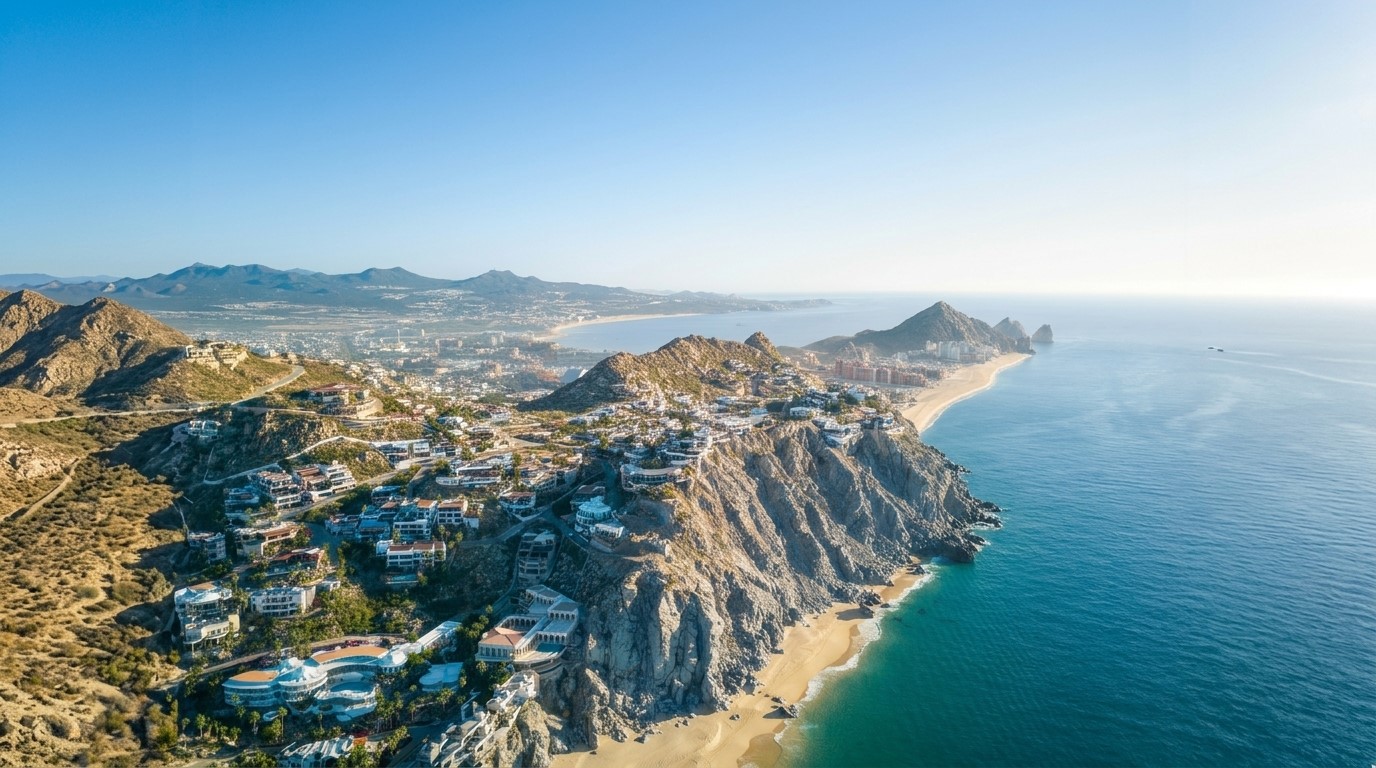
Cabo is where the desert crashes into the Pacific — dramatic rock arches, cactus-dotted cliffs, and a reliable run of sunshine that makes outdoor planning almost stress-free.
At the tip of the Baja peninsula, Cabo offers a starker, more modern beauty than the lush Riviera Maya: golden desert hills, the iconic El Arco rock formation, and sleek contemporary resort architecture built to frame the sea. The Pacific here is dramatic and the sunsets are enormous. It draws a glamorous, design-conscious crowd, and the November-to-April dry season is about as dependable as weather gets.
Top venues: Marquis Los Cabos, Esperanza (Auberge Resorts), Waldorf Astoria Los Cabos Pedregal.
A musician’s note: Oceanfront cliffs mean Pacific wind and salt spray, so it’s the coastal kit again — weighted stands, windscreens, gear covered until the last minute. What sets Cabo apart, from what I hear, is space: its modern resorts have proper outdoor venues built for entertainment, which would give me room to build a real production rather than squeezing onto a ledge.
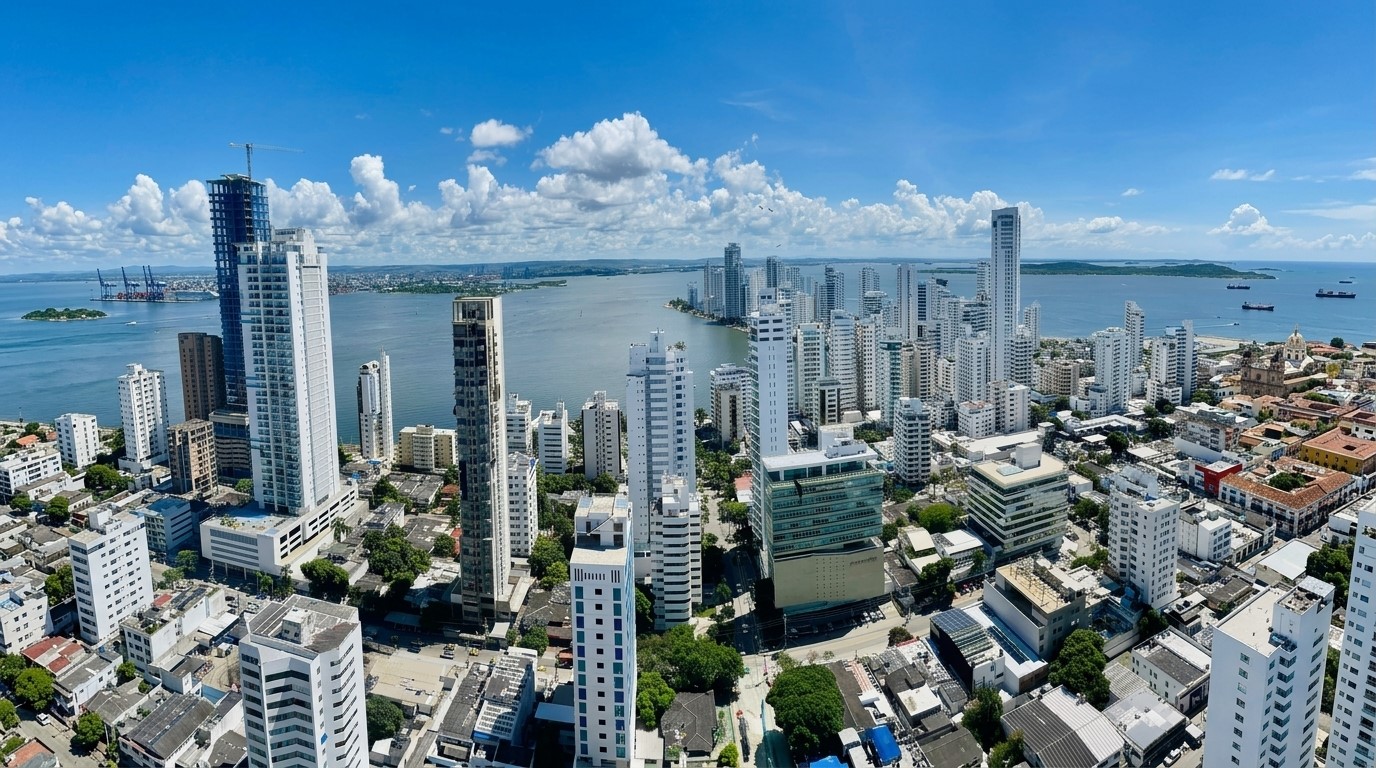
A sun-soaked colonial jewel: pastel balconies dripping with bougainvillea, 16th-century stone forts, and a Caribbean party culture that turns the streets themselves into a dance floor — that’s Cartagena.
Inside the old walled city, every street is a postcard: colonial mansions in mango and coral, horse-drawn carriages, plazas that fill with music after dark. The energy is pure Caribbean — champeta, cumbia, and salsa pulsing out of every doorway. Couples can marry in a converted convent or fortress in the old town, then take guests to a private island club just off the coast. It’s romantic, vibrant, and still a relative secret next to Mexico.
Top venues: Sofitel Legend Santa Clara, Éteka Hotel (Tierra Bomba Island).
A musician’s note: This is a city that wants to dance, and from everything I’ve heard, Latin percussion is everything here. A hybrid setup with live congas and brass over a DJ foundation is what I’d build to match Cartagena’s street-party DNA. The old-town courtyards are known to be stone and lively-sounding, so I’d keep the live percussion forward and the amplification clean.
Your soundtrack: A live salsa band moment — think the horn-driven joy of “Vivir Mi Vida” — fits Cartagena like a glove.
Maui delivers tropical volcanic drama without a passport — lush rainforests, black-sand beaches, waterfalls, and Pacific resorts that rank among the best on Earth.
For American couples, Maui is the dream destination that’s still home: no customs, no currency exchange, US legal simplicity, and scenery that competes with anywhere on this list. Wailea’s sunny southwest coast hosts the grand resorts; the misty uplands hide gems like Haiku Mill, a former sugar mill turned ivy-draped wedding wonderland. Hawaiian tradition adds genuine meaning — lei exchanges, conch-shell blessings, and the spirit of aloha that runs through the whole celebration.
Top venues: Four Seasons Resort Maui at Wailea, Haiku Mill.
A musician’s note: Trade winds are a daily fact of life on Maui, so the oceanfront sound kit applies. The magic move, though, is cultural, and it’s one I dream of playing: opening with traditional Hawaiian music and a ukulele or slack-key guitar set before sliding into the reception. Everything I know says live instruments handle the island’s natural, breezy outdoor acoustics beautifully.
Your soundtrack: Israel Kamakawiwoʻole’s “Over the Rainbow / What a Wonderful World” — there’s no more Hawaiian moment than that.
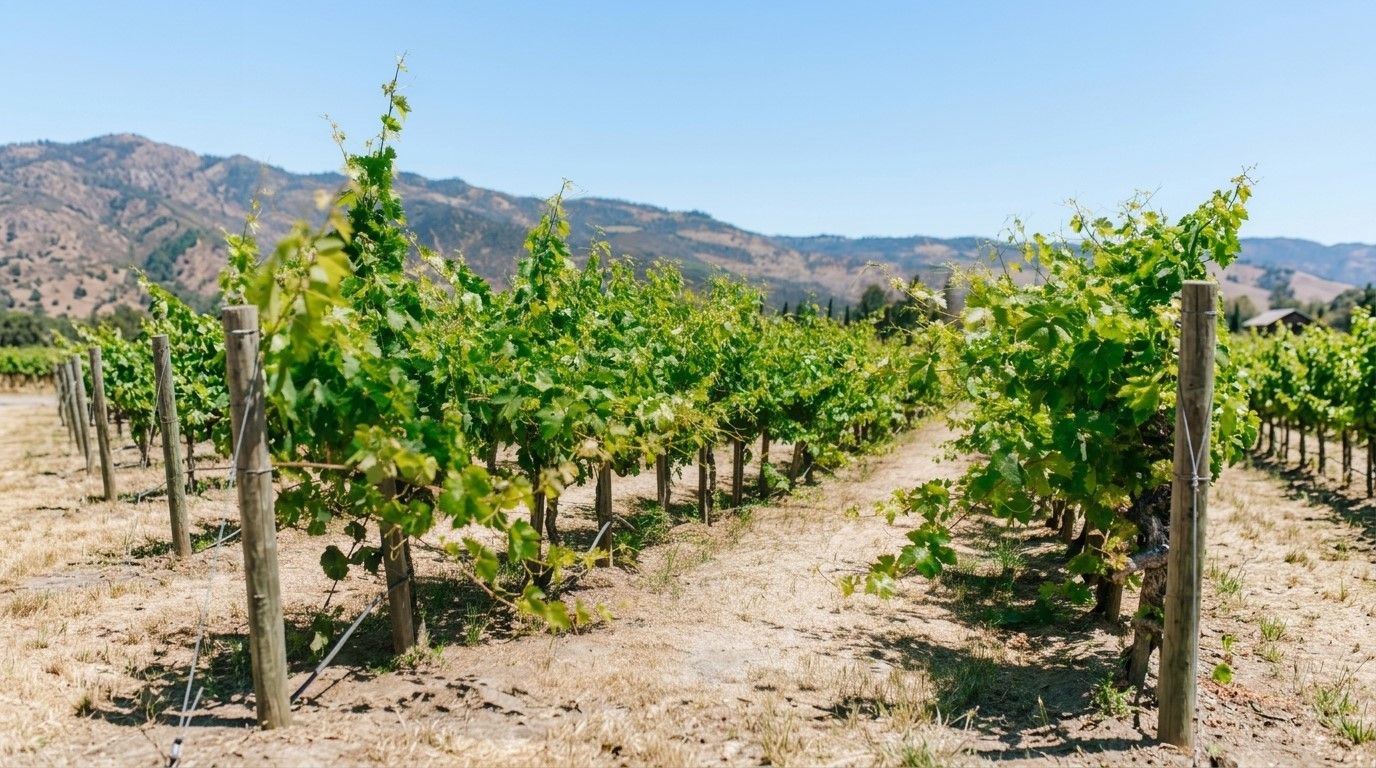
Napa is wine country elegance at its most refined — rows of vines stretching to oak-studded hills, Michelin-starred kitchens, and a sophistication that feels effortlessly Californian.
America’s most famous wine region does grown-up glamour with ease: hillside estates, working wineries, and dining at a level that rivals Europe. Auberge du Soleil looks out over the whole valley from its olive-grove perch; Stanly Ranch and Meadowood offer estate-style luxury. The harvest season (late summer into fall) is golden and warm, and the whole valley smells of crushed grapes. It’s the destination wedding for couples who want world-class without the long-haul flight.
Top venues: Auberge du Soleil, Meadowood Napa Valley, Stanly Ranch.
A musician’s note: An outdoor vineyard reception is an acoustic pleasure — open air, clean sound, no walls to fight. The catch echoes Tuscany: estate power can be limited, and there are often local noise ordinances with a hard cutoff time. What I’d do is confirm the curfew up front and build the night’s energy curve around it, so the party peaks before the plug gets pulled, not after.
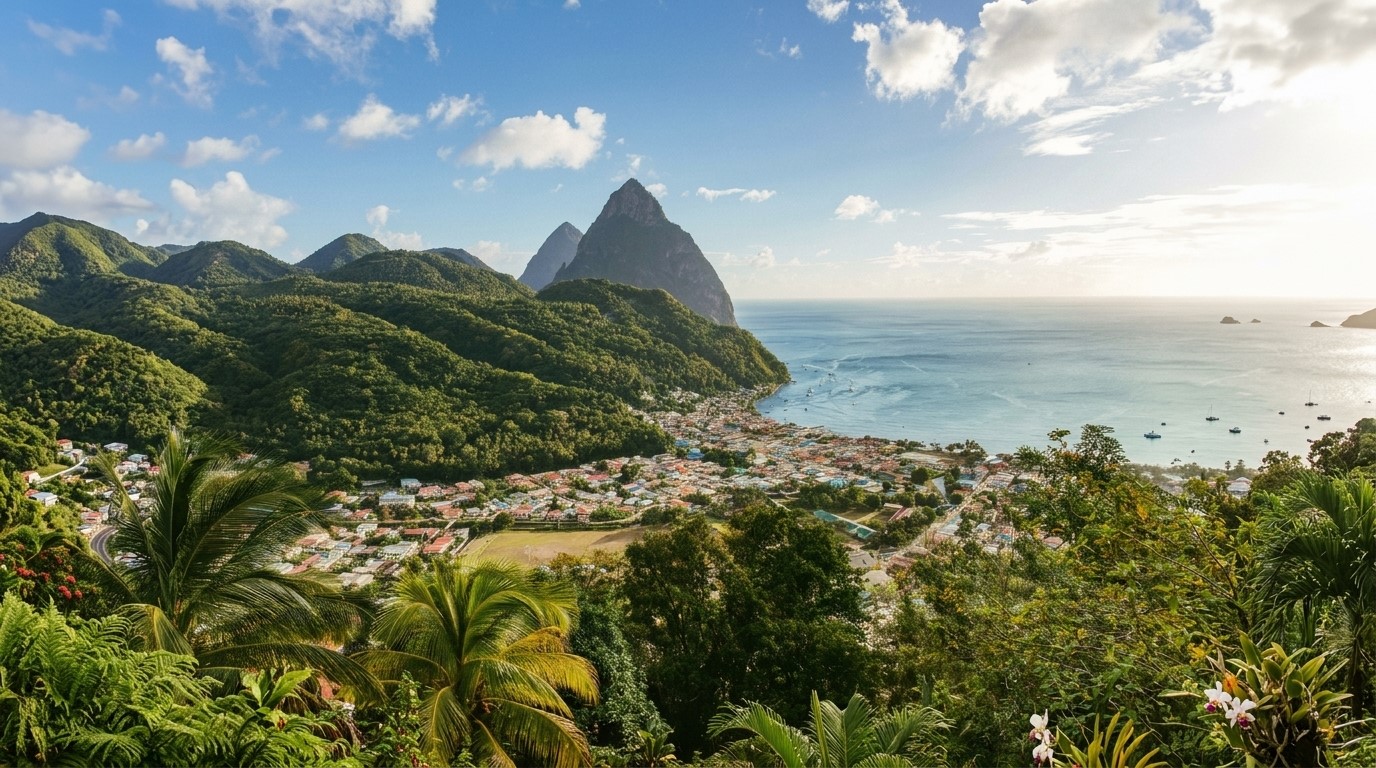
Two volcanic spires rising straight out of the Caribbean Sea — the Pitons — dominate St. Lucia, which means a wedding here is essentially staged against the most dramatic backdrop in the West Indies.
This lush volcanic island trades flat beaches for rainforest, hot springs, and those unforgettable twin peaks. Jade Mountain’s open-walled “sanctuaries” frame the Pitons like living paintings; Sugar Beach sits in the valley right between them. It’s intensely romantic and consistently rated among the most beautiful islands on the planet — a honeymoon favorite that doubles perfectly as a wedding destination.
Top venues: Sugar Beach (A Viceroy Resort), Jade Mountain.
A musician’s note: Open-air mountain and beach venues with that humid Caribbean air call for vigilant tuning and weatherproofed gear. The reward, by every account I’ve heard, is intimacy: these are smaller, jaw-dropping settings where a tight hybrid group — a couple of musicians and a DJ — fills the space with warmth without overwhelming a venue built for two people in love and their closest guests.
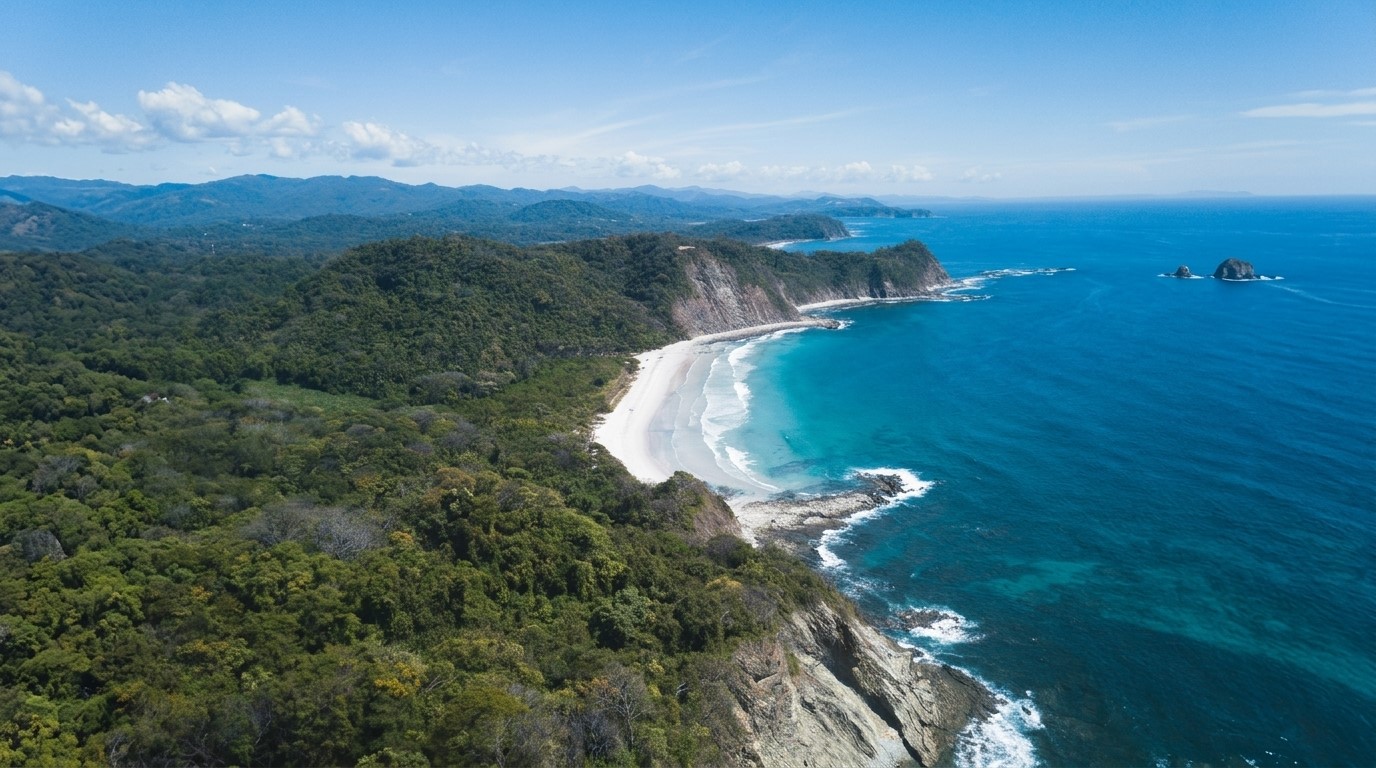
Guanacaste is eco-luxury with a barefoot soul — rugged Pacific coastline, surf beaches, dry tropical forest, and the unhurried “Pura Vida” philosophy baked into every interaction.
Costa Rica’s northern Pacific province pairs serious natural beauty with genuine sustainability — howler monkeys in the canopy, sea turtles nesting on the beaches, and resorts built to tread lightly. The Four Seasons on the Papagayo Peninsula is the marquee property; Las Catalinas is a car-free coastal town designed for walking. The dry season (roughly December through April) brings dependable sun, and the whole experience leans toward adventure and authenticity over formality.
Top venues: Four Seasons Peninsula Papagayo, Las Catalinas.
A musician’s note: Beachfront and jungle-edge setups bring humidity, wind, and, from the stories I’ve heard, the occasional curious wildlife guest. I’d plan power carefully, because eco-resorts sometimes run partly off-grid. The vibe here is relaxed, so that’s how I’d read it — acoustic and tropical for the ceremony and dinner, then a steady build into a celebration that matches the island’s easy energy.
This is the long-haul tier — the destinations that take real planning to reach and reward you with experiences you can’t get anywhere else. Different traditions, different acoustics, different rules. The kind of challenge I dream of taking on.
They call Bali the Island of the Gods, and you feel it the moment you arrive — a place where spirituality, jungle, and ocean braid together into something genuinely otherworldly.
Bali offers three distinct wedding worlds: the lush jungle ravines and rice terraces of Ubud, the dramatic limestone cliffs of Uluwatu with their famous clifftop clubs, and the beach-and-sunset scene of Seminyak. The island’s philosophy of Tri Hita Karana — harmony between people, nature, and the divine — runs through everything, including the elaborate Pawiwahan ceremony with its flower offerings and the opulent Payas Agung gold-crown regalia.
Top venues: Four Ayana Resort (Rock Bar), Bvlgari Resort Uluwatu, The Apurva Kempinski.
A musician’s note: Here’s a lesson players who’ve worked the jungle pass along: ravines and dense foliage swallow sound, so you need far more power than you’d ever guess from looking at the space. The transition I dream about most in our whole repertoire might be a traditional gamelan orchestra handing off into a modern DJ set — ancient bronze gongs melting into a clifftop beat as the sun drops into the Indian Ocean.
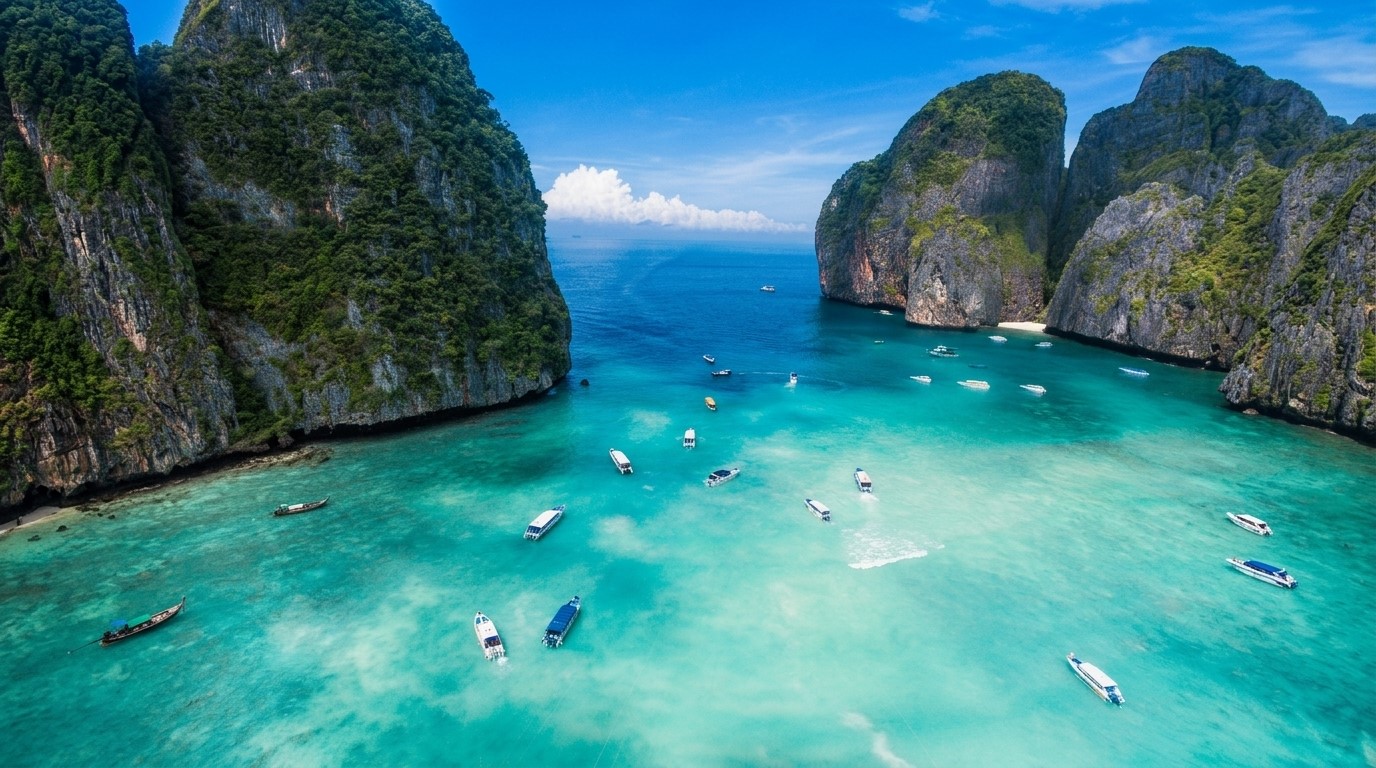
Phuket is the Land of Smiles at its most polished — pristine beaches, ultra-private villa resorts, and a standard of hospitality that makes guests feel like royalty.
Thailand’s largest island anchors a region of limestone karsts rising from emerald water, white-sand bays, and discreet luxury villa estates where you can take over the entire property. Amanpuri practically invented the Asian luxury resort; Trisara and Rosewood continue the tradition. Thai weddings carry beautiful symbolism — long noodles for long life, Foy Thong (golden silk threads) for everlasting love — and the Chut Thai national dress in your “lucky color,” chosen by the day of the week you were born.
Top venues: Four Amanpuri, Rosewood Phuket, Trisara.
A musician’s note: Beachfront and open-sala (pavilion) settings are warm and humid, so it’s tuning vigilance and weatherproofing again. Thai hospitality is known for a graceful, unhurried tone, and I’d match it — gentle live music for the ceremony and dinner, building to a celebration that honors the room rather than fighting it. Private villas also mean fewer noise restrictions, so the night can run long.
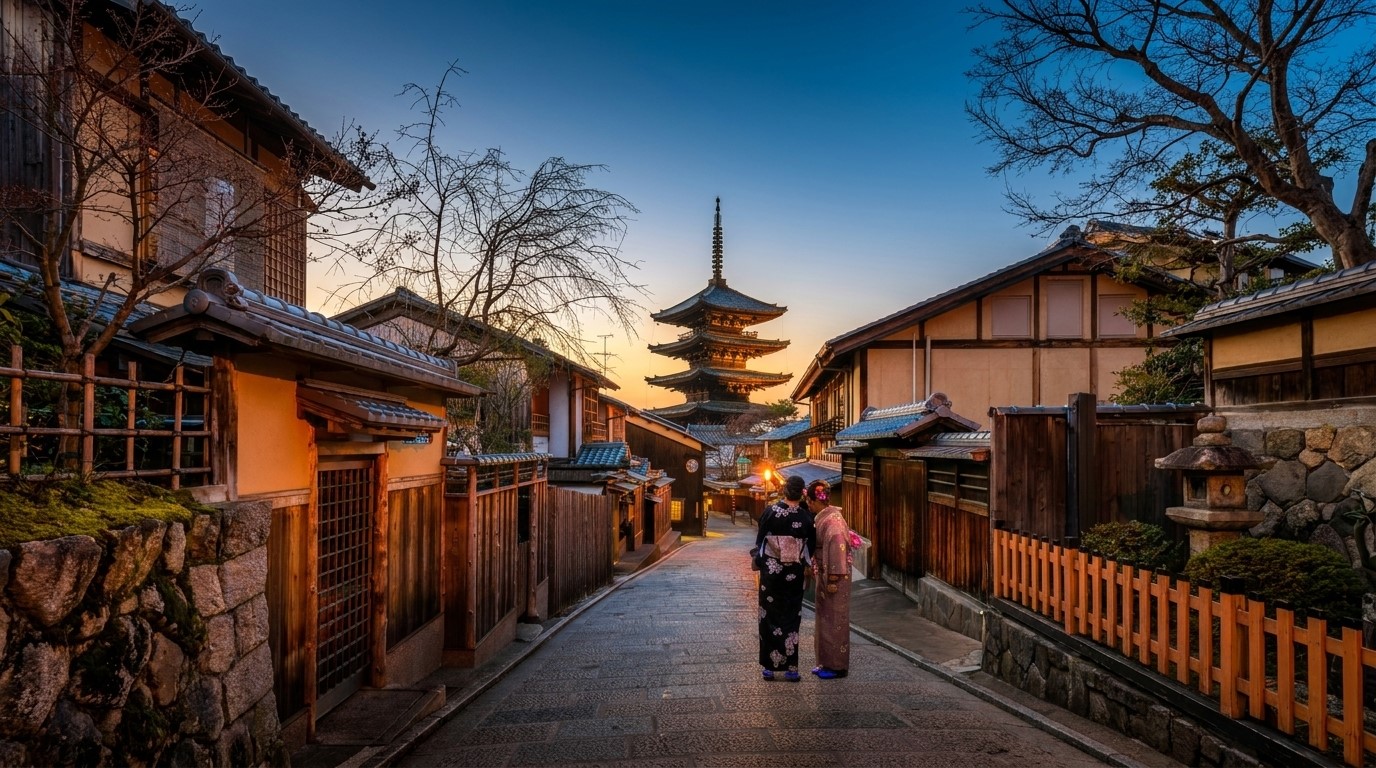
Kyoto is the antithesis of the resort wedding — a place of “slow-living” intentionality, where Zen gardens, bamboo groves, and centuries-old temples ask you to be fully present.
Japan’s ancient capital is all restraint and refinement: raked gravel gardens, moss so green it looks lit from within, the hush of a temple courtyard, and the seasonal poetry of cherry blossoms in spring or fiery maples in autumn. A Shinto ceremony has the bride in a Shiromuku white kimono — a “blank slate” — often changing into a colorful brocade Uchikake afterward. The food is auspicious by design: tai (sea bream, a pun on “celebratory”) and sekihan red rice.
Top venues: Four Ritz-Carlton Kyoto, Park Hyatt Kyoto, Shunkoin Temple.
A musician’s note: Kyoto is the one place on this list where I’d dial everything down and let the silence do the work. Temple and garden settings are known to reward delicate, acoustic music — a single instrument can carry more emotion than a full band here. When the reception moves to a hotel and the energy lifts, the hybrid setup is built to bring the celebration up gradually, always respecting the intentional calm that drew you to Kyoto in the first place.
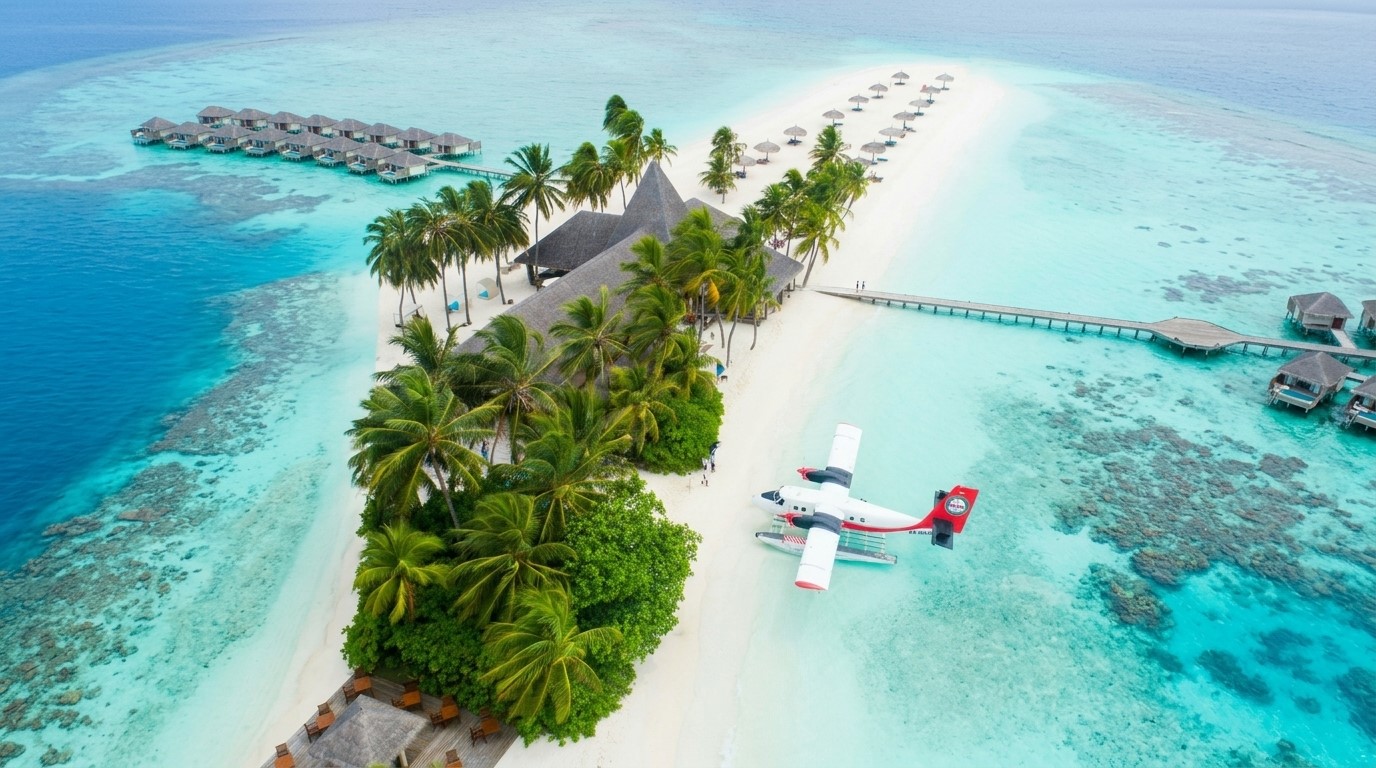
The Maldives is seclusion in its purest form — your own overwater bungalow, a private atoll, and a turquoise lagoon that makes the rest of the world feel very far away.
This scatter of coral islands in the Indian Ocean is the definitive escape: villas perched on stilts over impossibly clear water, sandbank ceremonies on slivers of beach in the middle of the sea, and resorts that often occupy an entire private island. It’s built for intimacy — most weddings here are small, sometimes just the two of you plus a tiny party — and it’s the honeymoon destination so many couples dream about, which makes marrying here a two-in-one.
Top venues: Four St. Regis Maldives Vommuli Resort, Soneva Jani, One&Only Reethi Rah.
A musician’s note: Logistics are everything in the Maldives — gear arrives by seaplane or boat, so the rule would be to pack minimal and bulletproof. Sandbank and overwater settings are open, breezy, and salt-heavy, so I’d weatherproof aggressively. For an intimate, elopement-style celebration, a stripped-down acoustic duo over the lagoon at sunset is the kind of pure magic I dream about — no big production required.
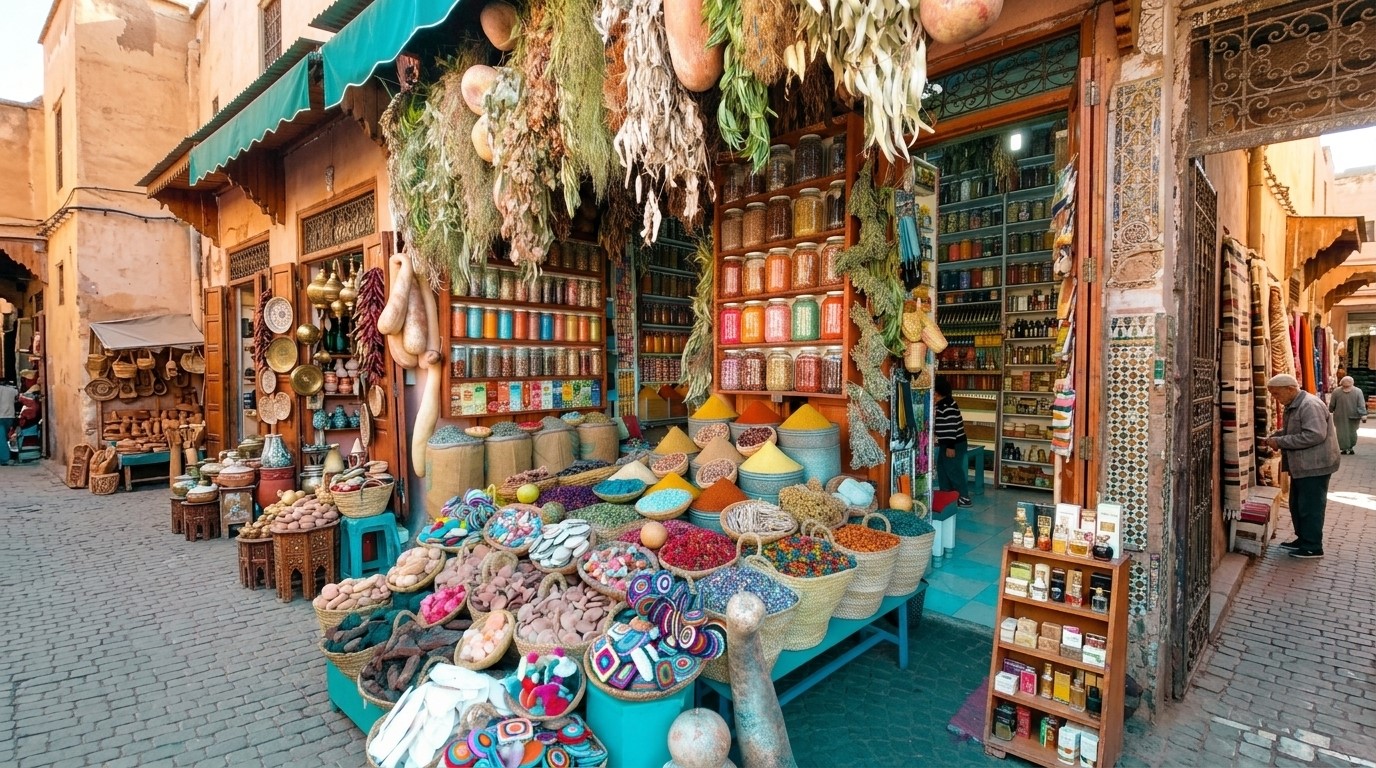
Marrakech is a sensory explosion — the call to prayer over the rooftops, the scent of spice and orange blossom, intricate riads hidden behind plain walls, and luxury desert camps under a blanket of stars.
This is Arabian Nights made real: jewel-box riads with tiled courtyards and trickling fountains, the Agafay desert just outside the city where you can pitch a luxury camp under the Atlas peaks, and palatial properties like La Mamounia. A Moroccan wedding is a theatrical, multi-day coronation — the bride carried in on the Amariya throne, up to seven dress changes representing different regions, the sacred henna night, and mint tea poured throughout.
Top venues: Four La Mamounia, Royal Mansour, Amanjena.
A musician’s note: Riads are echo chambers — tiled courtyards bouncing sound in every direction. The rule I’d follow here is acoustic instruments for the courtyard and the DJ set reserved for interior rooms where the reflections can be controlled. Bringing in live percussion to underscore the Amariya entrance procession is one of the most dramatic cultural moments I dream of getting to play anywhere in the world.
Dubai is architectural spectacle as a wedding venue — the sail-shaped Burj Al Arab, the desert at the city’s edge, and a logistics machine so smooth it can make a 500-guest celebration feel effortless.
If your vision is scale and glamour with zero compromise, Dubai delivers: skyline rooftops, opulent ballrooms, palm-island resorts, and desert dune ceremonies all within an hour of a world-class airport. It’s the easiest long-haul destination to reach, the service is relentlessly five-star, and the city is built to host enormous, lavish events without breaking a sweat. The cooler months (roughly November through March) are the season.
Top venues: Four Burj Al Arab, Raffles The Palm, Bulgari Resort Dubai.
A musician’s note: Dubai’s venues are known to be purpose-built for production — proper power, staging, and AV infrastructure, which sounds like a treat after some of the off-grid spots on this list. That means there’s room to scale up: full band, full lighting, the works. Desert ceremonies bring heat and sand, so gear would get shaded and covered, but indoors you’d have everything needed to build a genuinely cinematic show.
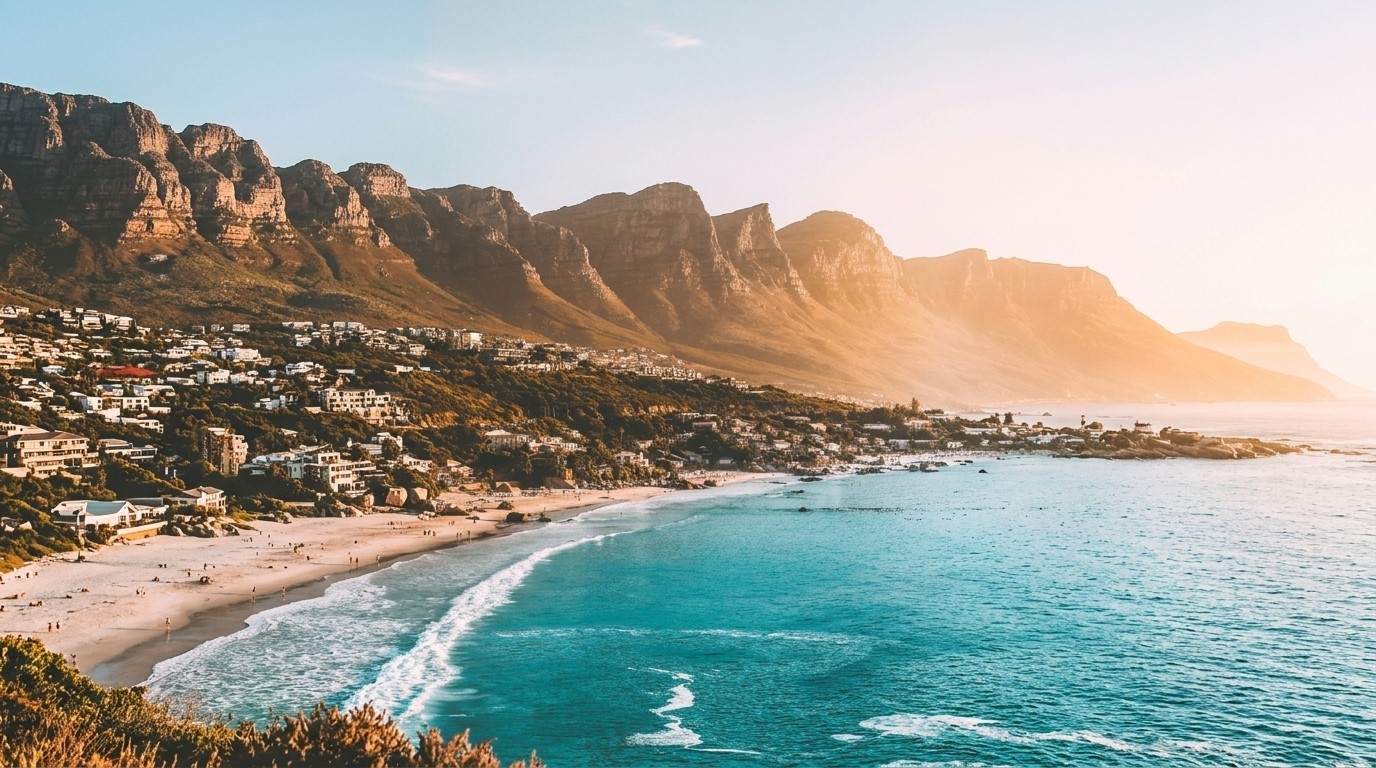
Cape Town pairs two of the planet’s great landscapes in one place — the sheer face of Table Mountain on one side, the rolling Cape Winelands on the other.
This is dramatic, diverse beauty: a flat-topped mountain looming over the city, white-sand beaches, and, just inland, the Stellenbosch and Franschhoek wine valleys, where Cape Dutch estates host weddings among the vines. Delaire Graff Estate looks out over the mountains with a view that stops conversation; the historic Mount Nelson brings old-world hotel grandeur. The exchange rate also makes a high level of luxury more attainable here than almost anywhere else on this list.
Top venues: Four Delaire Graff Estate, Belmond Mount Nelson Hotel, Molenvliet Vineyards.
A musician’s note: Winelands estates are known for that lovely open-air-with-some-stone-surfaces acoustic, much like Tuscany or Napa — clean and warm. The “Cape Doctor” wind can pick up in summer, so I’d keep the coastal kit handy. South Africa’s musical culture is rich and rhythmic, and folding a bit of local sound into cocktail hour is exactly the kind of touch I dream of bringing — an authentic sense, for guests, of where they’ve landed.
Here’s something I feel in my bones every time I imagine these places: a place has a sound. Italy sounds like a strolling tenor and a mandolin. Greece sounds like a bouzouki picking up speed. Mexico sounds like a mariachi trumpet hitting that high note that makes everyone cheer. Bali sounds like bronze gongs dissolving into a sunset beat. When the music matches the place, the whole celebration locks into something deeper than a playlist — it becomes the memory of that destination.
That’s the heart of the hybrid band-DJ idea, and it’s why so many couples building a destination wedding end up thinking about entertainment differently. Because most of these destinations double as honeymoons, the song you choose for your first dance in a Tuscan vineyard or on a Santorini cliff becomes the song you’ll play on the anniversary — the one that snaps you straight back to that night and that view. Recorded music is wonderful, but a live band playing “La Vie en Rose” in a Paris ballroom, or learning your specific first-dance song and arranging it for the room, or sliding from a live mariachi set into a DJ-driven floor in Mexico — that’s the thing guests describe to people for years. You had to be there.
At DLE Event Group, our musicians can learn custom songs and arrange them for the moment and the room. We can lean into the local flavor — a flamenco guitar in Seville, a fado piece in Lisbon, live percussion for a Moroccan Amariya entrance — and then keep a world-class dance floor going long after dinner. That blend of, as we say, “the tenderness of live music and the energy of a DJ” is exactly what a destination demands, because the place gives you the picture and the music gives you the feeling. As the saying goes, music is what feelings sound like — and a destination wedding is nothing if not pure feeling.
We’re a New York City–based luxury wedding entertainment company, and we’re proud to be recognized as the pioneers of the band-DJ hybrid experience — live musicians and a professional DJ working as one seamless act, so you never have to choose between authentic live emotion and the versatility of a great DJ. Over more than a decade and 100-plus weddings and events, that approach has earned The Knot Best of Weddings Hall of Fame eleven times (2013–2023), and we’re a 2025 winner as well.
We perform from New York City to destinations across the globe — and that “across the globe” part is real, not a slogan. Our hybrid format is built to travel: configurations from an intimate two-person setup to a full ensemble, custom song learning, and genuine fluency in cultural traditions, whether that’s a Hora, a Baraat, a Tarantella, or a Dabke. We’re inclusive of all cultures and religions and proudly LGBTQ+ friendly, because a wedding should sound like the people getting married. Packages start at $5,995, with travel handled separately, and we offer three hybrid models — the ultra-luxury Celebrity Hybrid DJ Band, a Fully Capable Band with DJ, and a cost-effective DJ-Led Hybrid with 2 to 7 musicians and vocalists.
What makes the distance work is our process. It starts with a real conversation about your vision, followed by a series of planning sessions (usually 5 to 10 over Zoom, beginning around six months out) so that by the time we land in Como or Cabo or Kyoto, every song, every transition, and every cultural moment is dialed in. We bring backup equipment, test everything before the doors open, and read the room in real time. Because every occasion has to be epic — and a destination wedding most of all.
Wherever you’ve fallen in love with on this list — a villa on Lake Como, a cliff above the Santorini caldera, a jungle clearing in the Riviera Maya, a riad in Marrakech — the place will give you the picture. We’ll give you the feeling. DLE Event Group brings the rare combination of live musicians and a professional DJ to destinations across the globe, with a decade-plus track record, eleven Knot Hall of Fame honors, and a planning process designed to make a wedding thousands of miles from home feel effortless.
Tell us where you’re dreaming of, and let’s start building the soundtrack of your destination.
Every occasion has to be epic. A destination wedding deserves nothing less.
DLE Event Group is a premier New York City–based luxury wedding and event entertainment company and the pioneer of the band-DJ hybrid experience — combining live musicians and a professional DJ in one seamless package. With over a decade of experience, 100+ weddings and events, and 11 consecutive Knot Best of Weddings Hall of Fame awards (2013–2023), DLE serves clients from New York City to destinations across the globe.